Wet vs Dry Cat Food: Which Is Better? Complete Comparison
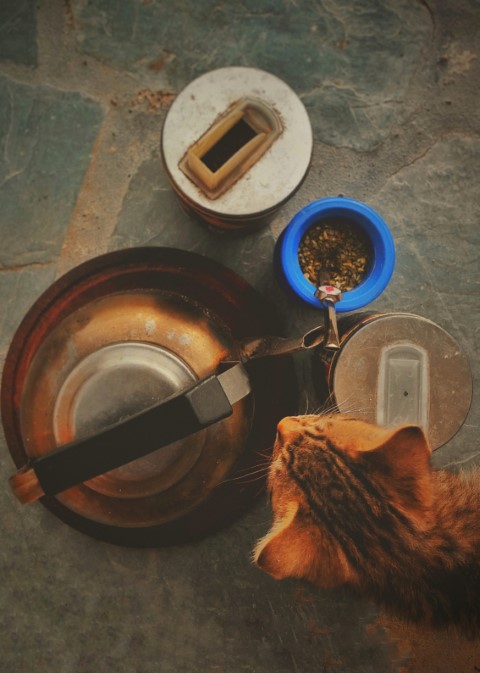
Wet vs Dry Cat Food: Which Is Better for Your Cat?
Quick Comparison Table
| Feature | Wet Cat Food | Dry Cat Food | Winner |
|---|---|---|---|
| Hydration | 70-80% water content | Only 10% water | Wet |
| Dental Health | May contribute to tartar | Crisp texture helps clean teeth | Dry |
| Caloric Density | Lower per weight | Higher concentration | Dry |
| Convenience | Requires refrigeration, leftovers expire | Easy to store, doesn’t spoil | Dry |
| Cost | More expensive per serving | More budget-friendly | Dry |
| Palatability | Usually very appealing to cats | Varies by brand/quality | Wet |
| Protein Quality | Often higher quality | Can vary widely | Wet |
| Urinary Health | Promotes urinary tract health | Can contribute to crystals | Wet |
| Convenience for Automatic Feeders | Not possible | Easily automated | Dry |
What Is Wet Cat Food?
Wet cat food, also known as canned food or pouches, is meat and other ingredients cooked and sealed in containers with natural moisture retained. It typically contains 70-80% water, mimicking the moisture content of the prey animals cats would eat in the wild. This moisture content is one of wet food’s most significant health benefits, as cats have evolved to obtain most of their hydration from their food rather than drinking water directly. Wild cats’ prey is approximately 70-75% water, and wet food closely replicates this natural moisture content.
Wet cat foods come in various forms: pâté (smooth texture), chunks in gravy, shreds, shredded chunks in broth, flakes, and sliced options. These texture preferences can vary significantly between individual cats—some cats absolutely refuse certain textures while loving others. Many cat owners find that wet food is more palatable to cats, making it especially valuable for picky eaters, sick cats who’ve lost their appetites, and senior cats with diminished senses of smell or taste. The aroma from freshly opened wet food triggers strong feeding responses in most cats.
Quality varies tremendously across wet food brands. Budget options often include by-products, fillers, artificial colors, and lower-quality protein sources. Premium and ultra-premium wet foods focus on real meat as the primary ingredient, limited use of carbohydrates, and no artificial preservatives. The higher moisture and protein content in quality wet foods support overall health, particularly kidney function, urinary tract health, and healthy weight maintenance. However, wet food’s convenience drawbacks include requiring refrigeration after opening (typically remaining fresh for only 24-48 hours) and being more expensive per serving than dry food.
What Is Dry Cat Food?
Dry cat food (kibble) is processed extruded nuggets containing approximately 10% moisture. It’s created by mixing ingredients, extruding them under high heat and pressure into uniform shapes, and then coating with fats and flavor enhancers. The extremely low moisture content makes dry food shelf-stable at room temperature for months, provided it’s stored properly. This convenience has made dry food extremely popular among cat owners—it’s easy to measure, store, serve, and even use in automatic feeders for free-feeding or scheduled feeding.
The texture of dry kibble provides some dental benefits by mechanically scraping plaque and tartar from cat teeth during chewing, much like how chewing helps maintain dog dental health. This isn’t a complete solution for dental care, but regular kibble consumption can reduce oral health issues compared to cats who exclusively eat wet food. Cats who don’t chew adequately (gulping food) receive less of this benefit. The crunchy texture also satisfies some cats’ natural chewing desires, which can reduce inappropriate chewing behaviors on furniture or household items.
Dry food ranges dramatically in quality from budget options packed with fillers and artificial ingredients to premium and holistic formulas featuring real meat as primary ingredients, limited carbohydrates, and natural preservatives. Many cats find dry food acceptably palatable, though pickier eaters sometimes refuse certain formulas. The higher caloric density of dry food means cats can be satisfied with smaller portions than wet food, which helps with cost efficiency. However, for cats prone to obesity, this density can also contribute to overfeeding if owners don’t measure portions carefully.
Key Differences Between Wet and Dry Cat Food
Pros of Wet Cat Food
Superior Hydration - The 70-80% moisture content in wet food replicates cats’ natural prey and helps prevent chronic dehydration, which particularly benefits kidney health and urinary tract function. Cats with chronic kidney disease, urinary issues, or dehydration from other conditions often show significant health improvements when switched to wet food. Even healthy cats benefit from the increased hydration, potentially preventing future kidney and urinary problems.
Higher Protein Quality - Premium wet foods typically feature real meat as their primary ingredient with minimal use of fillers and carbohydrates. This aligns with cats’ natural status as obligate carnivores who’ve evolved to thrive on protein-rich, low-carbohydrate diets. Higher quality proteins support muscle maintenance, healthy weight, and overall vitality. The lower carbohydrate content (often 5-10% compared to 30-40% in many dry foods) is particularly appropriate for cats whose metabolism doesn’t process carbohydrates efficiently.
Better Palatability for Many Cats - The strong aroma and fresh texture of wet food stimulates eating in most cats. This makes wet food valuable for encouraging eating during illness, recovering from surgery, or for picky eaters. Senior cats whose senses of smell and taste have diminished often show renewed interest in eating with wet food. The variety in textures and flavors available in wet food can keep cats interested and engaged with their food, reducing boredom and food refusal.
Supports Healthy Weight Management - The higher water content makes wet food less calorie-dense than dry food. Cats eat larger volumes of wet food while consuming fewer calories, which helps them feel sated and satisfied. The higher protein content and lower carbohydrate ratio also support lean muscle maintenance and prevent the blood sugar spikes associated with high-carbohydrate diets. Weight management becomes easier for many cats on predominantly wet food diets.
Cons of Wet Cat Food
Higher Cost - Wet food is significantly more expensive per serving than dry food—typically 2-3 times more costly when calculating cost per calorie. This is particularly challenging for multi-cat households or cats who consume significant quantities. While the health benefits often justify the expense for many owners, the budget impact is genuine and must be considered in long-term feeding decisions.
Convenience Issues - Wet food requires refrigeration after opening and typically remains fresh for only 24-48 hours. This makes free-feeding impossible and can create food waste if cats don’t finish complete portions. The need for daily fresh servings means pet owners cannot leave for extended trips without arrangements for feeding. Wet food also cannot be used in automatic feeders, eliminating that convenience option entirely.
Dental Concerns - The soft texture of wet food doesn’t mechanically clean teeth like crunching dry kibble does. Cats eating exclusively wet food may require more professional dental care or additional dental health interventions. Some veterinarians worry that wet food diets correlate with increased tartar and periodontal disease, though this correlation remains debated since other factors (genetics, overall health) also significantly influence dental health.
Storage Requirements - Unopened wet food takes up significantly more storage space than dry food due to water content. Once opened, it must be refrigerated and consumed within a short timeframe or discarded. This can create issues for households with limited refrigerator space or who prefer less frequent shopping trips. The cans or pouches also require proper recycling disposal.
Pros of Dry Cat Food
Convenience and Storage - Dry food stores easily at room temperature for months without special storage requirements. It’s easily measured, serves quickly without preparation, and works perfectly in automatic feeders for scheduled or free-feeding. This convenience benefits busy households, multi-cat homes, and owners who travel regularly. The ease of storage means pet owners can purchase larger quantities less frequently, saving shopping trips and potentially taking advantage of bulk discounts.
Cost-Effectiveness - Dry food is significantly more budget-friendly than wet food, particularly when calculated on a cost-per-calorie basis. This makes it more accessible for multi-cat households, fixed incomes, or budget-conscious owners. The lower cost per serving means higher-quality dry options might be within reach while premium wet food strains budgets. For cats who require significant daily intake due to size, activity level, or health conditions, dry food’s cost efficiency matters greatly.
Dental Benefits - The crunchy texture helps mechanically remove plaque and tartar from teeth during chewing. While not a substitute for professional dental care or brushing, regular kibble consumption contributes to better oral health than exclusive wet feeding. The chewing action also satisfies some instinctual needs, potentially reducing inappropriate chewing on household items.
Longer Shelf Life - Unopened dry food can remain usable for 12-18 months when stored properly. This longer shelf life provides flexibility in purchasing and reduces waste from expiration. For households with cats who have specific brand or flavor preferences that might be temporarily out of stock, having a stockpile of dry food provides insurance against unavailability.
Cons of Dry Cat Food
Low Moisture Content - With only approximately 10% moisture, dry food doesn’t provide significant hydration support. This concerns kidney health, urinary tract health, and overall hydration status, especially for cats prone to kidney disease, urinary crystals, or dehydration. Because cats have evolved to obtain most hydration from food, they typically don’t drink enough water to compensate for dry food’s low moisture content, potentially leading to chronic mild dehydration.
Potential for Lower Quality Ingredients - Many budget dry foods contain significant fillers (corn, wheat, soy), by-products, artificial colors, and preservatives. While premium dry foods avoid these ingredients, the convenience shelf stability requirements can sometimes lead manufacturers to use ingredients cats wouldn’t naturally eat. The high heat processing may also degrade some nutrients that must then be artificially replenished, raising quality concerns for some owners.
Obesity Risk - Dry food’s high caloric density and palatability can encourage overeating, particularly if owners free-feed rather than measure portions. Cats fed exclusively dry food are statistically more likely to become obese than cats on wet diets or mixed diets. Obesity contributes significantly to diabetes, joint problems, heart disease, and reduced overall lifespan. Careful portion control is essential but challenging with dry food’s convenience.
Dehydration Risks - Because cats on dry food diets may not drink enough water to compensate for the low moisture content in food, they can develop chronic dehydration. This is particularly dangerous for cats with existing kidney issues, urinary problems, or during hot weather. Encouraging water consumption becomes essential but challenging with some stubborn cats who don’t drink readily from bowls.
When to Choose Wet Cat Food
For Cats with Kidney or Urinary Issues - Wet food is strongly recommended for cats diagnosed with chronic kidney disease (CKD), chronic renal failure, urinary crystals, bladder stones, or frequent urinary tract infections. The increased hydration dilutes urine and helps flush kidneys more effectively, reducing the formation of crystals and supporting compromised kidney function. Many veterinarians recommend predominantly or exclusively wet food for cats with these conditions regardless of cost considerations.
For Senior Cats - Older cats often experience decreased sense of smell and taste, making wet food’s strong aromas more appealing. Senior cats are also more prone to dehydration and kidney problems, making wet food’s moisture content particularly beneficial. Many senior cats show renewed interest in eating when switched to or supplemented with wet food after becoming indifferent to dry food choices.
For Picky Eaters or Cats with Appetite Issues - When cats refuse to eat, perhaps due to illness, stress, or simply pickiness, wet food’s stronger aromas and variety of textures often stimulate eating. During recovery from illness, surgery, or dental work, wet food provides easier eating and better nutrition than dry food options that might be difficult to chew or unpalatable.
For Weight Management - Because wet food is less calorie-dense and often higher in protein with fewer carbohydrates, it supports healthy weight management more effectively than many dry foods. Cats can eat larger volumes while consuming fewer calories, feeling more satisfied. The protein-to-carbohydrate ratio also helps maintain lean muscle mass during weight loss rather than losing muscle along with fat.
For Multi-Cat Households with Varied Needs - When one cat requires wet food for health reasons while others can eat dry food, using wet food for that cat’s specific needs while providing appropriate options for others can get complicated. However, in households where multiple cats benefit from wet food, or where dietary requirements overlap, wet food provides a versatile base that can be supplemented appropriately.
When to Choose Dry Cat Food
For Busy Households with Inconsistent Scheduling - When owners work irregular schedules, travel frequently, or have unpredictable daily routines, dry food’s flexibility is valuable. Automatic feeders can maintain consistent feeding schedules even when owners are unavailable. The ability to leave larger quantities of food without spoilage risk provides peace of mind for unpredictable schedules.
For Multi-Cat Households with Budget Constraints - For households with multiple cats where food costs become significant, dry food’s budget-friendliness makes quality nutrition accessible. Feeding several cats exclusively wet food can cost hundreds of dollars monthly, while dry food significantly reduces expenses without necessarily sacrificing nutritional quality when premium brands are chosen.
For Free-Feeding Situations - Some cats do better with small, frequent meals available continuously rather than scheduled feeding times. This grazing-style eating requires dry food that won’t spoil between meals. Free-feeding can work well for some cats who maintain healthy weight, though it should be avoided for cats prone to overeating and obesity.
For Cats Who Won’t Eat Wet Food - Despite its benefits, some cats absolutely refuse wet food regardless of brand, flavor, or texture. These cats may have been raised exclusively on dry food, develop texture preferences, or simply dislike wet food’s consistency. In these cases, feeding quality dry food is better than creating struggle or malnutrition by forcing wet food on a resisting cat.
For Owners with Specific Dental Care Strategies - Some cat owners and veterinarians prioritize dental health benefits from kibble chewing, particularly when combined with other dental care strategies like regular brushing, dental treats, or professional cleanings. In these cases, dry food might be preferred or supplemented rather than completely eliminated.
Our Recommendation
The Best Approach: A Mixed Diet
Based on comprehensive analysis, the optimal solution for most healthy cats is a mixed diet incorporating both wet and dry food. This approach combines the health benefits of wet food with the practical advantages of dry food, creating a balanced feeding strategy that maximizes advantages while minimizing drawbacks. The specific ratio varies based on cat health, age, household circumstances, and budget, but feeding wet food at least once daily while maintaining dry food for additional needs represents an excellent compromise.
Recommended Mixed Feeding Strategy:
- One wet food serving daily (typically evening when owners are present) provides hydration benefits, variety, and enjoyment while satisfying appetite.
- Dry food available for grazing (either free-fed or scheduled) provides dental benefits, backup nutrition, and convenience.
- This approach ensures adequate hydration while maintaining practical feeding options.
- Quality should be prioritized in both wet and dry components rather than compromising quality for either.
Special Considerations Override Mixed Approach:
- Cats with kidney disease, urinary issues, or similar health conditions should follow veterinarian recommendations, which typically prioritize wet food heavily.
- Senior cats with significant kidney concerns may benefit from nearly exclusive wet food diets.
- Weight management plans should consider both calorie density and protein/carbohydrate balance when designing specific food ratios.
- Multi-cat households may need separate feeding arrangements if cats have different requirements or if food competition becomes an issue.
Quality Trumps Format Priority:
- The most critical factor in any feeding strategy is quality of ingredients regardless of wet vs dry format.
- A premium dry food with quality ingredients may benefit cats more than a generic wet food with poor ingredients.
- Conversely, quality wet food provides superior nutrition to cheap dry food despite format differences.
- When budgets constrain premium wet food, consider feeding smaller quantities of higher-quality wet food supplemented with adequate dry food rather than compromising wet food quality.
FAQ: Wet vs Dry Cat Food
Q: Is wet food healthier than dry food for cats? A: Wet food has specific health advantages particularly related to hydration, kidney health, and urinary tract function. For healthy cats, quality matters more than format—premium dry food can be nutritionally excellent, and quality wet food offers additional benefits like increased moisture. However, for cats with kidney disease, urinary issues, senior cats, or those who don’t drink enough water, wet food becomes significantly healthier and should be prioritized. The healthiest approach for most cats is a mixed diet incorporating quality options from both formats.
Q: Can I mix wet and dry cat food together in the same bowl? A: Yes, mixing wet and dry food together is acceptable and many cat owners do this. However, there are considerations: any mixed food that isn’t eaten immediately should be discarded after 24-48 hours due to spoilage risks. Some cats prefer dry food’s texture separate from wet rather than combined. mixing food can make it harder to track how much each type or brand each cat is eating in multi-cat households. When mixing, owners should maintain appropriate proportions and ensure the total caloric intake matches the cat’s needs.
Q: How much wet food should I feed my cat compared to dry food? A: The ideal ratio depends on your individual cat’s needs, age, health status, and preferences. For most healthy adult cats, one wet food serving daily (typically 3-4 ounces for average-sized cats) represents a good baseline, with dry food making up the remainder of daily caloric needs. Cats with kidney or urinary issues may do better with 2 or more wet food servings daily, while young growing kittens might need more frequent smaller servings of either type. Work with your veterinarian to determine appropriate caloric needs and then distribute those calories between wet and dry food strategically.
Q: Does dry food really help clean cat teeth? A: The crunchy texture does provide some mechanical cleaning action that helps remove plaque and tartar from cat teeth during chewing. However, it’s not a substitute for proper dental care including regular brushing, professional cleanings, and veterinary examinations. Dry food’s dental benefits are real but limited. Cats who eat exclusively wet food and no dry food may require more intensive dental care interventions, but also won’t magically avoid all dental problems by eating dry food. The best strategy combines appropriate diet choices with dedicated dental health practices.
Q: Why is dry food cheaper than wet food if both have similar ingredients? A: Several factors contribute to wet food’s higher cost. The water content adds weight and volume, making shipping and storage more expensive. The canning process for wet food is more complex and costly than dry food extrusion. Wet food also has shorter shelf life and requires refrigeration after opening, creating additional handling costs. Additionally, premium wet foods often contain better quality ingredients than budget dry foods, and when comparing similar quality levels, the price difference narrows somewhat. Still, even comparing premium to premium, wet food remains more costly due to production and storage factors.
Confused about feeding your cat the best diet?
Our Complete Cat Nutrition Guide includes detailed dietary planning for different life stages, health conditions, and lifestyle needs. Learn to create the perfect mixed feeding strategy for your individual cat’s requirements with expert guidance and practical meal plans.