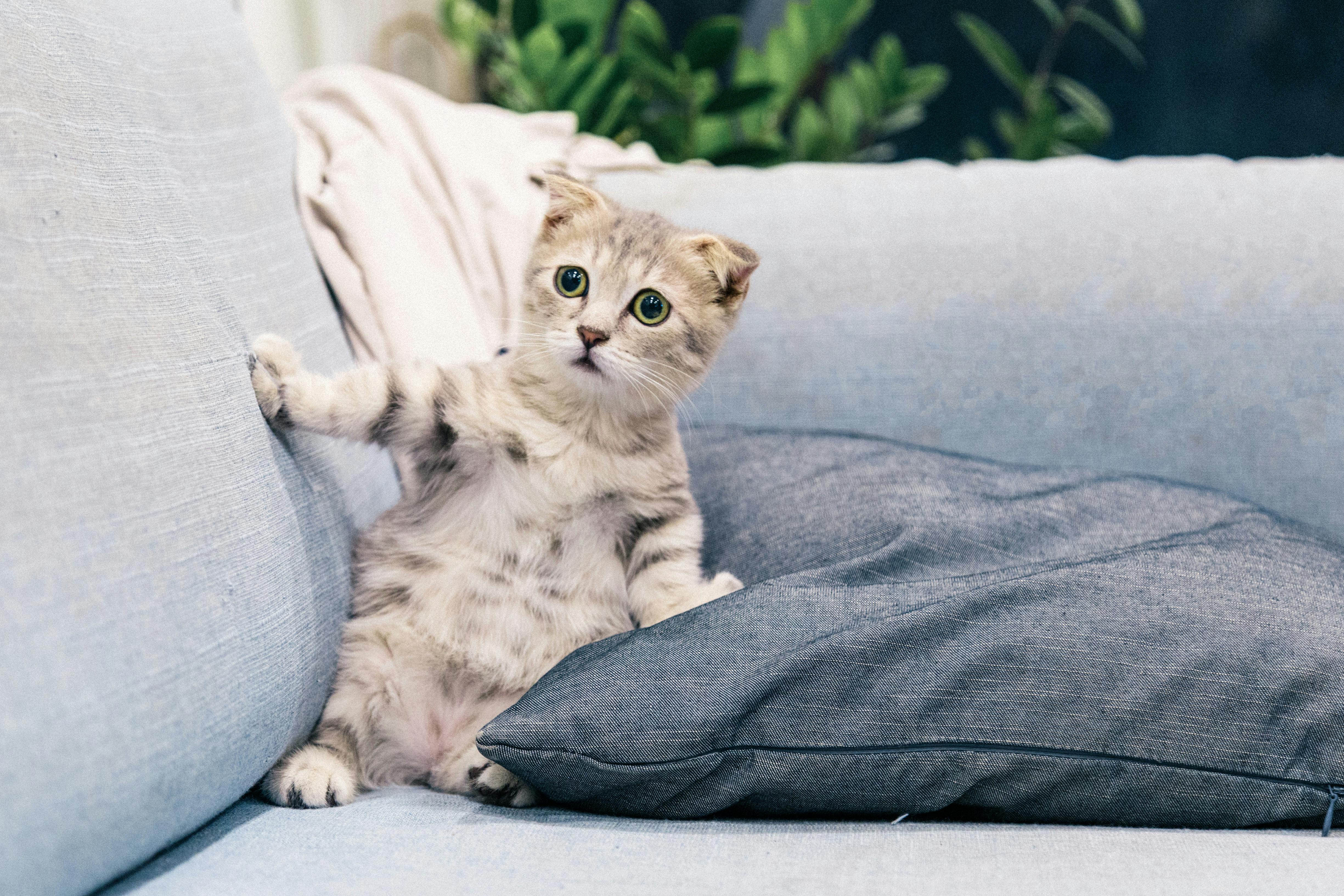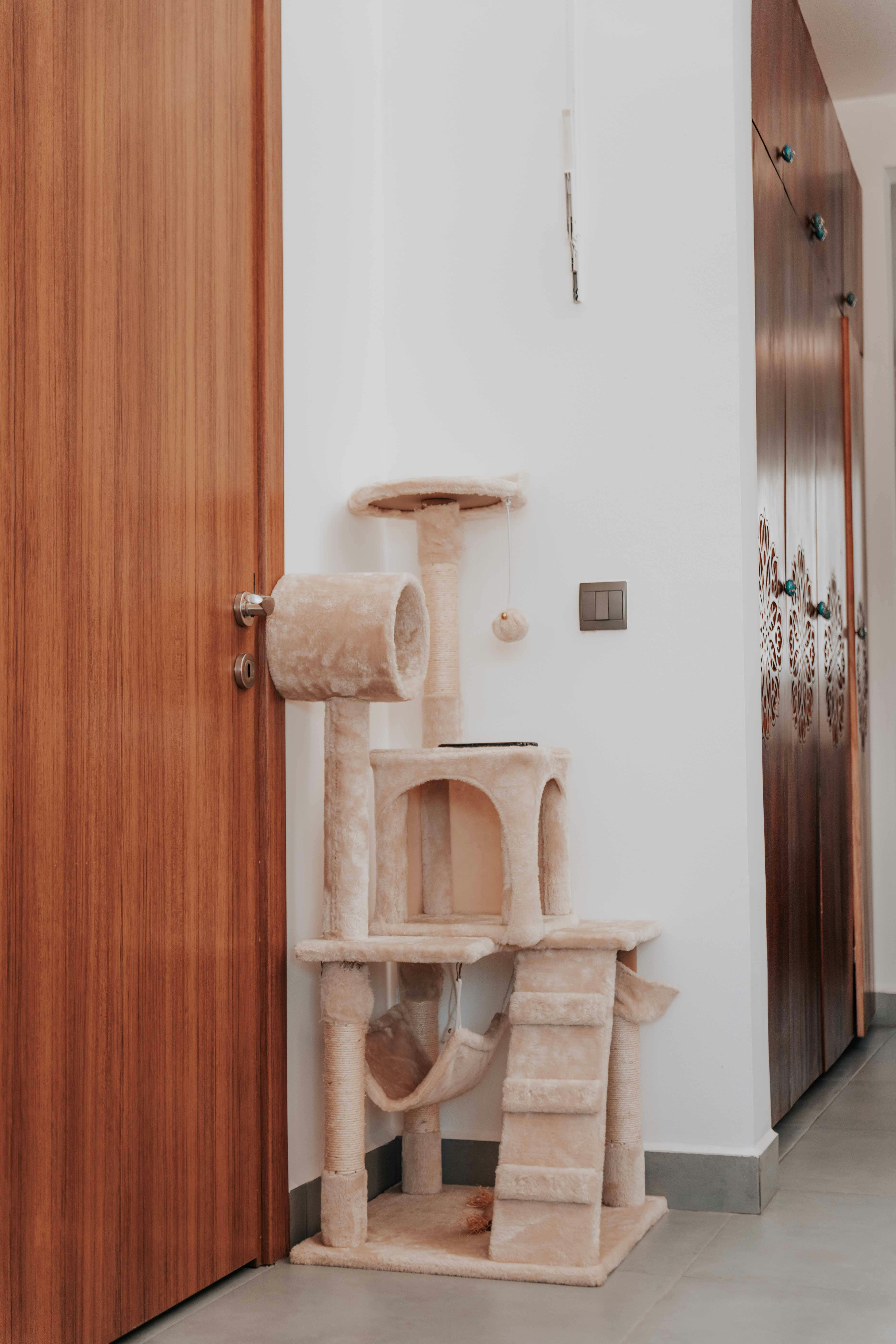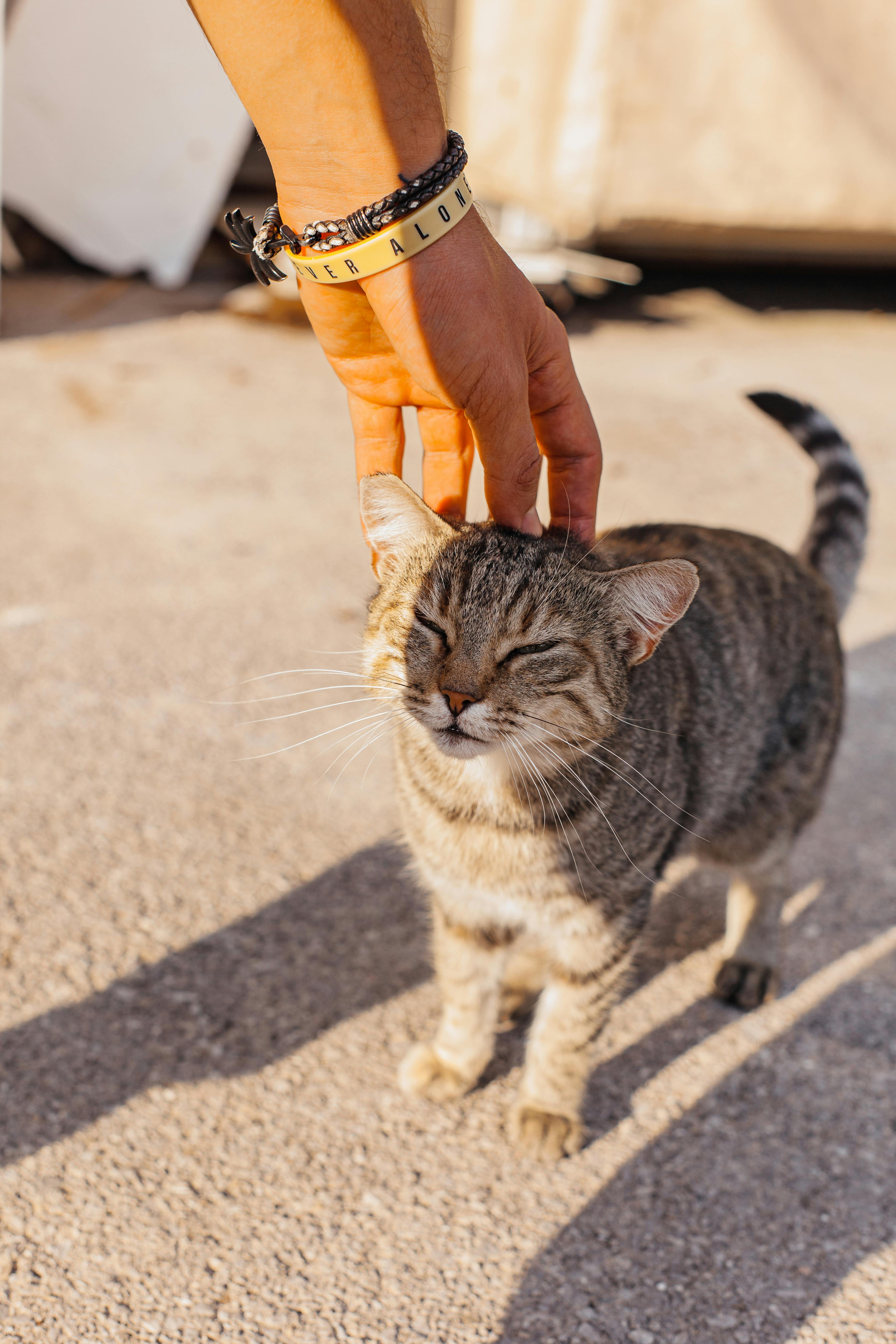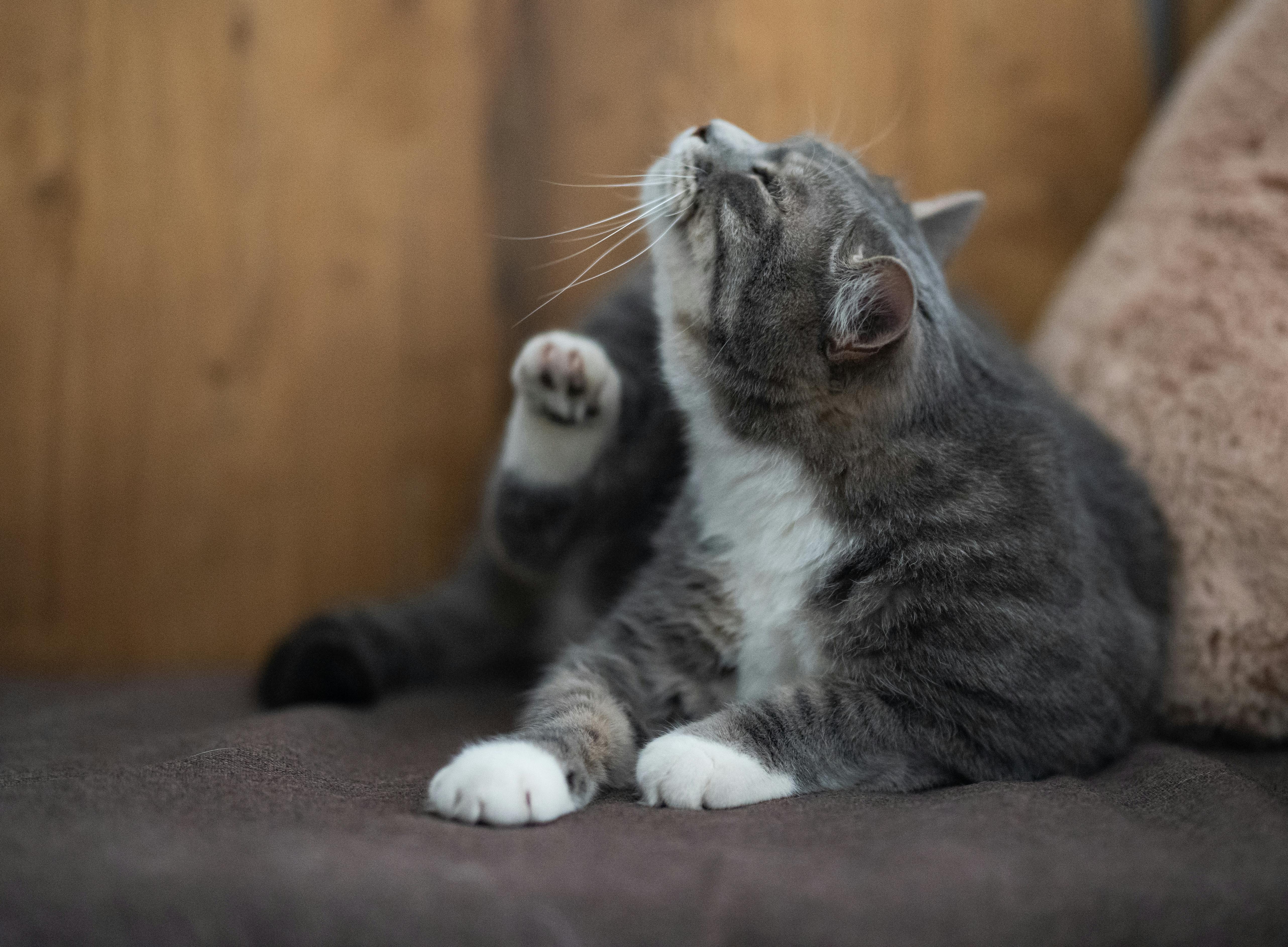
Hey there, fellow cat lovers! We’ve all been there…
Myth #1: “my cat scratches to be naughty” ❌
The Truth: Scratching is Natural, Not Malicious
Why this myth exists:
- It feels personal when your furniture gets destroyed
- Cats seem to scratch when you’re not looking
- The damage looks intentional
The reality: Cats scratch for four essential biological reasons:
1. Territory Marking (It’s Not Personal)
Cats have scent glands in their paws that release pheromones when they scratch. These chemical messages say:
- “I was here”
- “This is my space”
- “I belong here”
It’s like leaving a signature—not a complaint.
2. Nail Maintenance (Essential Health)
Scratching removes dead outer claw sheaths, keeping nails:
- Sharp and healthy
- Ready for hunting (even indoor cats)
- Free from infection
- Properly sized
Without scratching, nails become overgrown and painful.
3. Full-Body Stretching (Cat Yoga)
Watch a cat scratch—they extend their front legs, arch their back, and dig claws in. This stretches:
- Shoulder muscles
- Back muscles
- Tendons
- Toes
It’s essential feline exercise.
4. Emotional Release (Stress Relief)
Scratching relieves:
- Anxiety
- Excitement
- Boredom
- Frustration
It’s an emotional outlet, not a destructive act.
Myth #2: “declawing will stop the problem” ❌
The Truth: Declawing is Inhumane and Ineffective
What declawing actually is:
- Amputation** of the last toe joint
- Removal of bone, tendon, and ligament
- Equivalent to cutting off human fingers at the first knuckle **Why it doesn’t work:
- Cats still NEED to scratch (instinct doesn’t disappear)
- They develop behavioral problems (biting, litter box avoidance)
- They become more anxious and aggressive
- They may stop using the litter box (40% of declawed cats) The consequences:
- Lifelong pain: Arthritis, joint problems
- Behavioral issues: Increased aggression, biting
- Litter box problems: 40% stop using litter boxes
- Trust issues: Cats become fearful and withdrawn The better solution:
- Provide appropriate scratching outlets
- Use positive reinforcement training
- Make furniture unappealing temporarily
- Be patient and consistent Declawing is illegal in many countries for a reason.
Myth #3: “cats scratch to get revenge” ❌
The Truth: Cats Don’t Understand Revenge
Why this myth exists:
- Cats sometimes scratch after being scolded
- They seem to target favorite belongings
- Timing feels intentional
The reality: Cats don’t have the cognitive capacity for:
- Revenge
- Spite
- Malice
- Human concepts of “naughty”
What’s actually happening:
- Stress response: Scolding creates anxiety → scratching relieves anxiety
- Attention seeking: Any attention (even negative) is attention
- Routine disruption: Changes in environment trigger scratching
- Territorial response: New scents or objects trigger marking
The solution:
- Never punish scratching
- Use positive reinforcement instead
- Provide appropriate outlets
- Reduce stress and anxiety
Myth #4: “i can train my cat to stop scratching completely” ❌
The Truth: Scratching is Essential—Redirect, Don’t Eliminate
Why this is impossible:
- Scratching is hardwired into cat DNA
- It’s essential for physical health
- It’s necessary for emotional well-being
- It’s a natural, instinctual behavior What you CAN do:
- Redirect** scratching to appropriate surfaces
- Train cats to use scratching posts
- Manage the environment to protect furniture
- Reduce unwanted scratching through positive reinforcement **The realistic goal:
- 85-95% reduction in furniture scratching
- Consistent use of scratching posts
- Happy, healthy cat
- Protected furniture Trying to eliminate scratching completely is like trying to stop a human from breathing.
Myth #5: “only bad cats scratch furniture” ❌
The Truth: ALL Cats Scratch—It’s About Management, Not Personality
Why this myth exists:
- Some cats seem to scratch more than others
- Personality differences are noticeable
- Some cats are more destructive
The reality: ALL cats scratch, but factors influence WHERE they scratch:
1. Personality Differences
- High-energy cats: Scratch more frequently
- Anxious cats: Scratch when stressed
- Territorial cats: Scratch to mark more
- Social cats: Scratch near humans
2. Environmental Factors
- Lack of outlets: No scratching posts = furniture scratching
- Poor placement: Posts in wrong locations = ignored
- Wrong materials: Cats have texture preferences
- Instability: Wobbly posts = never used
3. Age and Health
- Kittens: High energy, exploring
- Adults: Established habits
- Seniors: May scratch more for joint relief
- Medical issues: Pain or discomfort increases scratching
The solution:
- Provide appropriate outlets
- Match materials to preferences
- Ensure proper placement
- Address underlying issues
Myth #6: “my cat scratches more when i’m home to annoy me” ❌
The Truth: Scratching When You’re Home is a Sign of Affection
Why it feels personal:
- Timing seems intentional
- Happens when you’re present
- Feels like attention-seeking behavior The reality: Cats scratch more when you’re home because:
1. Bonding and Affection
- They want to mark YOU as “theirs”
- Scent marking creates shared territory
- It’s a social bonding behavior
- They feel safe and secure with you
2. Activity and Stimulation
- More activity = more scratching
- Play sessions trigger scratching
- Excitement leads to scratching
- Your presence = more stimulation
3. Routine and Patterns
- Cats scratch after naps (you’re home = more naps)
- They scratch when excited (you’re home = more excitement)
- They mark territory when you arrive/leave
- Your presence changes their routine The solution:
- Provide scratching posts near where you spend time
- Use positive reinforcement when they use posts
- Understand it’s affection, not annoyance
- Redirect, don’t punish
Myth #7: “older cats don’t need to scratch as much” ❌
The Truth: Scratching is Essential at ALL Ages
Why this myth exists:
- Kittens seem to scratch more
- Older cats may be less active
- Senior cats sleep more
The reality: Scratching needs change but don’t disappear:
1. Kittens (0-1 year)
- High frequency: Exploring and learning
- Learning phase: Developing habits
- Energy release: High energy needs outlet
- Establishing territory: Marking new spaces
2. Adults (1-7 years)
- Established patterns: Consistent scratching
- Maintenance: Regular nail care
- Territory: Ongoing marking
- Routine: Predictable scratching times
3. Seniors (7+ years)
- Joint relief: Scratching helps arthritis
- Nail maintenance: Still essential
- Routine: Established habits continue
- Comfort: Scratching feels good
Senior cats may actually scratch MORE if they have arthritis—scratching relieves joint stiffness.
The solution:
- Provide appropriate outlets at all ages
- Adjust post height for senior cats
- Consider softer materials for older cats
- Never assume scratching needs decrease
The real solution: redirect, don’t eliminate
Understanding the Goal
Wrong goal: Stop scratching completely
Right goal: Redirect scratching to appropriate surfaces
The 4-Step Strategy
Step 1: Provide Appropriate Outlets
- Multiple scratching posts (N+1 rule)
- Different materials (sisal, cardboard, carpet)
- Different orientations (vertical, horizontal, angled)
- Proper placement (near scratched furniture) Recommended: SmartCat Ultimate Scratching Post
Step 2: Make Furniture Unappealing
- Double-sided tape (Sticky Paws)
- Plastic covers
- Aluminum foil
- Citrus scents Use temporarily while training (4-6 weeks)
Step 3: Use Positive Reinforcement
- Reward with treats when using posts
- Praise enthusiastically
- Use catnip to attract to posts
- Never punish scratching
Step 4: Be Patient and Consistent
- Behavior change takes 2-4 weeks
- Consistency is key
- Don’t give up
- Celebrate small wins
Want more help? get our complete guide
If you’re struggling with cat scratching or want expert guidance:
Cat Scratching Solutions: The Complete Guide
This complete ebook covers:
- Step-by-step training plans** for every personality type
- Product recommendations for every budget
- Troubleshooting 50+ common problems
- Real-life case studies with before/after results
- **Bonus: Environmental enrichment blueprint
- Bonus: Multi-cat household solutions
What you’ll learn:
- How to identify your cat’s scratching motivation
- Customized solutions based on age, breed, and personality
- How to create a cat-friendly home that prevents problems
- When and how to seek professional help
Stop the frustration. Save your furniture. Build a better relationship with your cat.
Final thoughts
The truth about cat scratching is simple: it’s natural, necessary, and not personal. When you understand WHY cats scratch, you can redirect the behavior effectively without damaging your relationship. Remember:
- Scratching is natural - All cats do it, it’s not bad behavior
- Never declaw - It’s inhumane and doesn’t work
- No revenge - Cats don’t understand spite or malice
- Redirect, don’t eliminate - Provide appropriate outlets
- Affection, not annoyance - Scratching when you’re home is bonding You can have both: a happy, healthy cat AND protected furniture. It just requires understanding the truth about scratching and redirecting it appropriately.
Affiliate Disclosure: When you buy through links on our site, we may earn a commission at no extra cost to you. This helps us continue providing free, high-quality pet care content.
Medical Disclaimer: Always consult with a veterinarian for medical advice. This article is for informational purposes only.
Makes unwanted areas less attractive to your cat.
3. use pheromone sprays
Instructions
Spray pheromone sprays like Feliway on unwanted areas to reduce stress and anxiety.
Benefits
Creates a calming atmosphere and reduces the urge to scratch.
Buy Feliway pheromone spray on [affiliate link].
4. trim your cat’s claws regularly
Instructions
Trim your cat’s claws every 2-3 weeks to reduce the damage caused by scratching.
Benefits
Minimizes the impact of scratching on your furniture.
5. redirect scratching behavior
Instructions
When you see your cat scratching an unwanted area, gently redirect them to a scratching post.
Benefits
Teaches your cat to scratch appropriate surfaces.
FAQs
Q. Is it possible to completely stop my cat from scratching?
A. It’s not possible or desirable to completely stop a cat from scratching, as it’s a natural behavior. The goal is to redirect scratching to appropriate outlets.
Q. What are the best materials for scratching posts?
A. Sisal, cardboard, and wood are all popular materials for scratching posts.
Q. How can I make a scratching post more appealing to my cat?
A. Place the scratching post near your cat’s favorite scratching spots, rub catnip on it, and reward your cat for using it.
Conclusion
Understanding the truth about cat scratching is essential for finding effective solutions. By providing appropriate scratching outlets, making unwanted areas less appealing, and redirecting scratching behavior, you can protect your furniture and maintain a harmonious home. If you have any questions or tips of your own, feel free to share in the comments below!