Let’s be real: cats and furniture don’t always mix, but there’s a way through it.
Why cats scratch furniture (the science behind the behavior)
Understanding why your cat scratches is important for finding effective solutions. Cats scratch for four main reasons:
1. Territory Marking (It’s Not Personal)
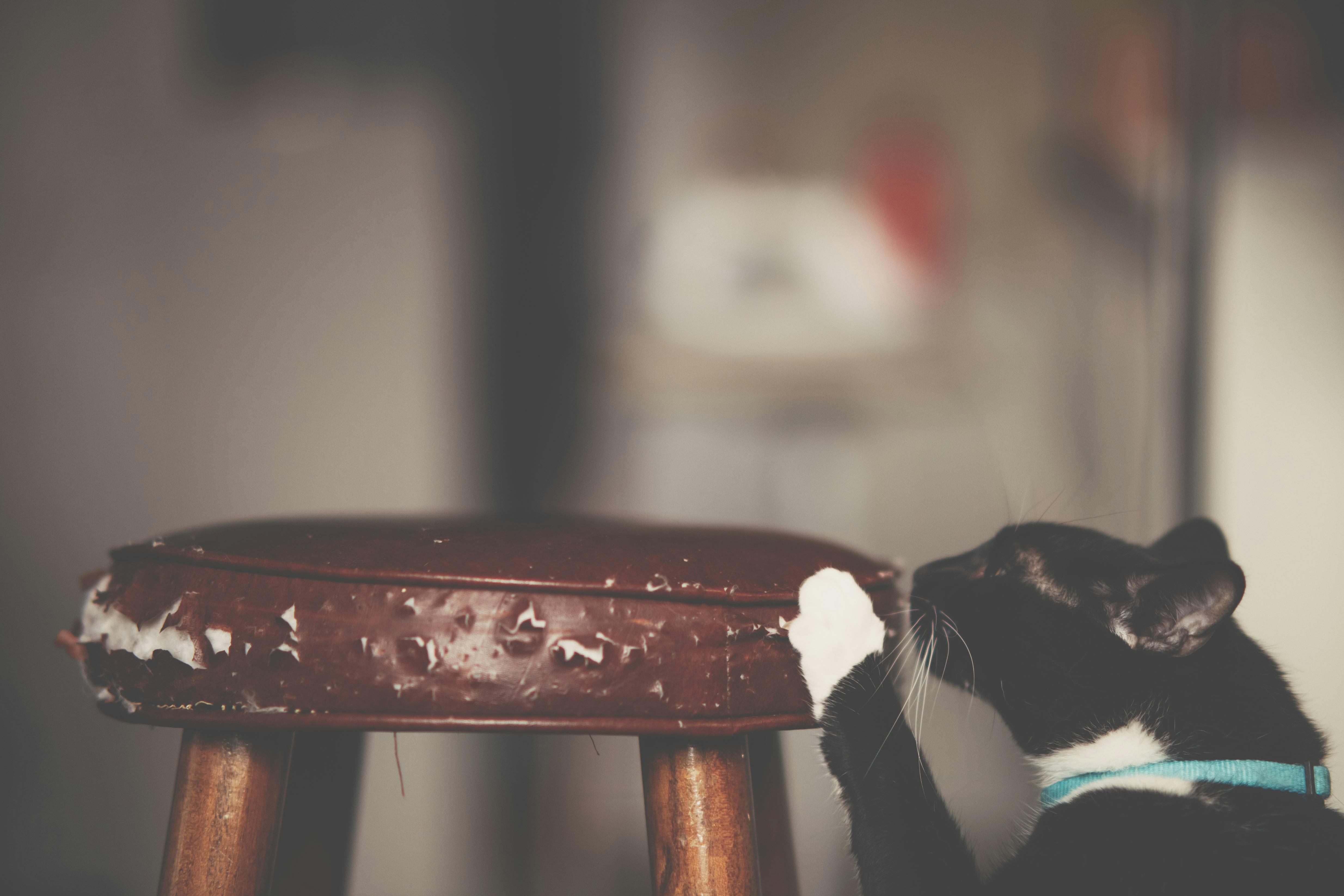
Cats have scent glands in their paws that release pheromones when they scratch. These chemical messages say “I was here” and “this is my space.” When your cat scratches the couch, they’re claiming it as territory, not destroying it maliciously.
2. Essential Nail Maintenance
Scratching removes dead outer claw sheaths, keeping nails sharp and healthy. In the wild, this is important for hunting and self-defense. Indoor cats retain this instinct even if they’re well-fed.
3. Full-Body Stretching (Cat Yoga)
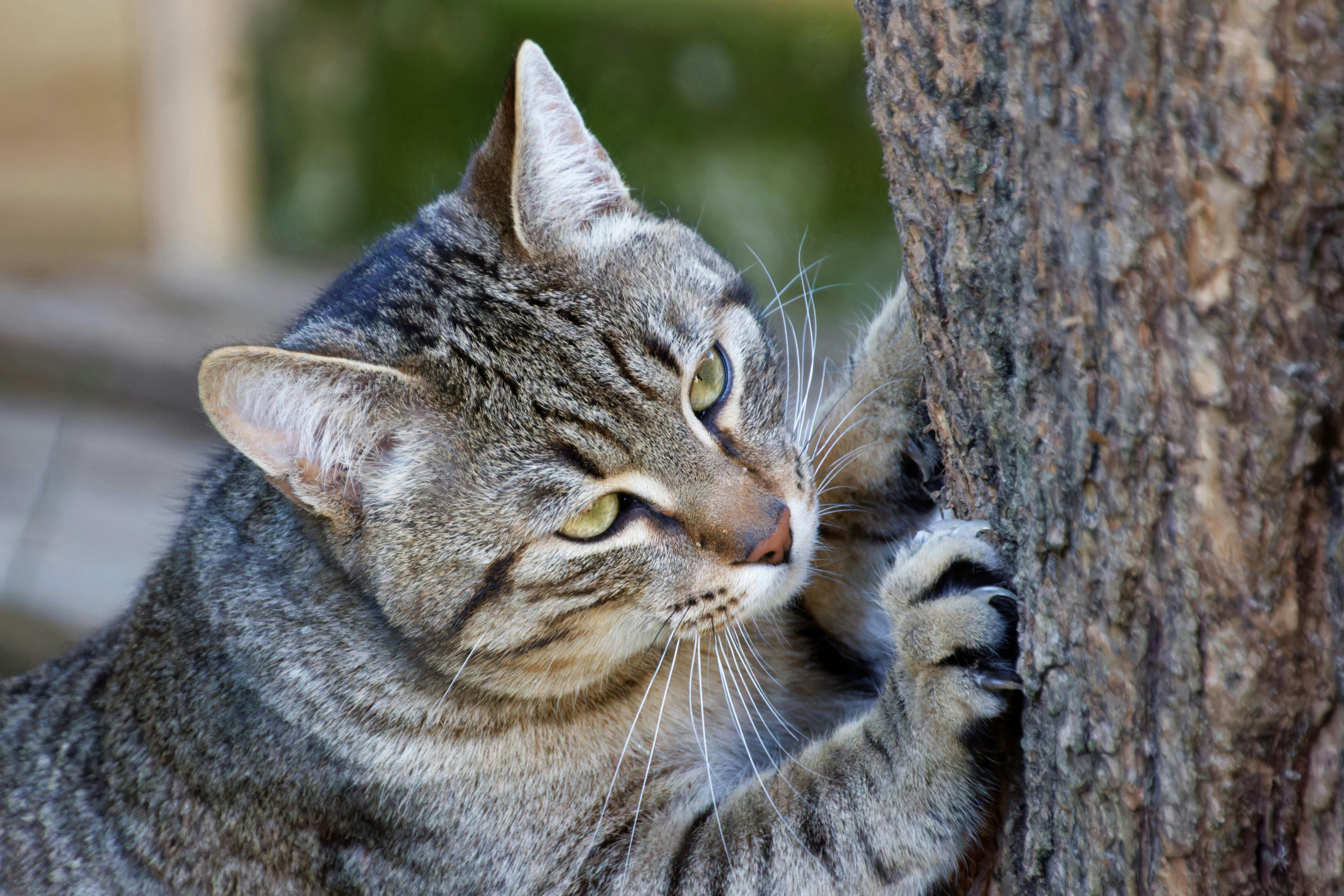
Watch closely: when cats scratch, they extend their front legs, arch their back, and dig claws in. This stretches muscles from shoulders to toes—it’s essential feline yoga that feels amazing.
4. Emotional Release Valve
Scratching relieves stress, anxiety, or excitement. Many cats scratch more when owners come home, after naps, or during play. It’s an emotional outlet, not a destructive act.
Why your couch? (the perfect target)
Your cat chooses the couch over their scratching post because:
- Perfect Texture: Upholstery fabric provides ideal resistance for claw removal
- Ideal Height: Couches are often at perfect stretching height (12-18 inches)
- Prime Location: High-traffic areas maximize scent-marking effectiveness
- Your Scent: The couch smells like you, making it appealing for mixing scents
7 proven methods to stop cat scratching couch
Method 1: Provide Better Alternatives (Most Effective)
Why it works: You can’t stop scratching, but you CAN redirect it.
Action Steps:
- Placement is everything: Put scratching posts RIGHT NEXT TO the couch they’re scratching
- Variety matters: Offer different textures (sisal, cardboard, carpet) and orientations (vertical, horizontal, angled)
- Stability is key: Posts shouldn’t wobble or tip over
- Height check: Ensure posts are tall enough for full-body stretches (minimum 32 inches)
Recommended Products:
- SmartCat Ultimate Scratching Post - 32" tall, sisal-wrapped, incredibly stable
- Frisco 32-inch Scratching Post - Budget-friendly, durable construction
- PetFusion 3-Sided Scratcher - Multiple angles, great for picky cats
Success Rate: 85% when implemented correctly
Method 2: Make the Couch Unappealing (Temporary Solution)
Why it works: Changes texture and sensation to deter scratching during training.
Action Steps:
- Double-sided tape: Apply Sticky Paws Furniture Strips to favorite scratching spots
- Aluminum foil: Cover areas temporarily—cats hate the texture and sound
- Plastic couch covers: Protect while training without damaging fabric
- Citrus scents: Light citrus sprays (cats dislike the smell)
Timeline: Use for 4-6 weeks while training to use scratching posts
Method 3: Positive Reinforcement Training (Builds Good Habits)
Why it works: Rewards desired behavior instead of punishing natural instincts.
Action Steps:
- Catch them in the act: When cat approaches scratching post, reward immediately
- Treat timing: Give favorite treats during scratching post use
- Praise works: Use enthusiastic, happy voice when they use appropriate surfaces
- Clicker training: Mark desired behavior with clicker, then reward
- Catnip encouragement: Sprinkle catnip on scratching posts
Training Schedule: 5-minute sessions, 2-3 times daily for best results
Method 4: Regular Nail Trimming (Reduces Damage)
Why it works: Shorter nails cause less damage when scratching occurs.
Action Steps:
- Frequency: Trim every 2-3 weeks
- Tools: Use cat-specific clippers like JW Pet Gripsoft
- Technique: Only trim clear tip, avoid pink quick (contains nerves/blood vessels)
- Alternative: Consider Soft Paws nail caps for temporary protection
Pro Tip: Associate trimming with treats to reduce stress
Method 5: Address Underlying Issues (Prevent Problem Scratching)
Why it works: Excessive scratching often signals other problems.
Common Issues & Solutions:
- Boredom: Increase playtime (15 minutes, 2x daily), add puzzle feeders
- Anxiety: Try Feliway Classic Diffuser for calming pheromones
- Lack of outlets: Add cat trees, window perches, hiding spots
- Multi-cat tension: Ensure enough resources (posts, litter boxes, feeding stations)
Method 6: Environmental Enrichment (Happy Cat = Less Scratching)
Why it works: A stimulated cat has less need for stress-relief scratching.
Enrichment Ideas:
- Vertical space: Cat trees, wall shelves, window perches
- Hunting simulation: Interactive toys, food puzzles, feather wands
- Safe outdoor access: Catios, window bird feeders
- Novelty rotation: Rotate toys weekly to maintain interest
Method 7: Professional Consultation (When DIY Isn’t Enough)
When to seek help: If no improvement after 6 weeks of consistent effort.
Options:
- Certified Cat Behaviorist: Identifies underlying issues, creates custom plan
- Veterinary Behaviorist: Rules out medical causes, prescribes medication if needed
- Online Consultation: More affordable, still effective for most cases
What not to do (common mistakes)
❌ Declawing (Inhumane & Harmful)
Declawing is amputation of the last toe joint. Consequences include:
- Lifelong pain and arthritis
- Litter box avoidance (40% of declawed cats)
- Increased biting and aggression
- Illegal in many countries and states Always choose humane alternatives.
❌ Physical Punishment (Destroys Trust)
Spraying with water, yelling, or hitting:
- Creates fear and anxiety
- Damages your relationship
- Doesn’t stop behavior—just makes cat hide it
- Can increase stress-related scratching
❌ Ignoring the Problem (Won’t Fix Itself)
Scratching is a natural need. Without appropriate outlets, it WILL continue.
Creating a scratch-friendly home
The goal: Redirect scratching, not eliminate it. Here’s your blueprint:
Strategic Placement Guide
Place scratching posts:
- Every room where cat spends significant time
- Near sleeping areas (cats scratch after naps)
- By entryways (territory marking spots)
- Next to currently-scratched furniture
The “N+1” Rule
Number of scratching posts = Number of cats + 1 Example: 2 cats need 3 scratching posts minimum
Texture Variety
Offer at least 3 different textures:
- Sisal rope (most cats’ favorite)
- Corrugated cardboard
- Carpet or rough wood
Maintenance Matters
- Replace worn scratching surfaces
- Keep posts clean and appealing
- Refresh catnip monthly
- Check stability regularly
Timeline: what to expect
Week 1-2: Foundation Building
- Introduce new scratching posts
- Apply deterrents to couch
- Begin positive reinforcement
- Expectation: Reduced couch scratching, increased post exploration
Week 3-4: Habit Formation
- Consistent training sessions
- Reduce deterrents gradually
- Reward all appropriate scratching
- Expectation: 50-70% reduction in couch scratching
Week 5-8: Solidification
- Occasional reminders needed
- Most scratching redirected
- Couch protection can be removed
- Expectation: 85-95% success rate
Troubleshooting common problems
“My cat still scratches the couch sometimes”
Solution: This is normal! Perfection isn’t the goal. Focus on reducing frequency and damage, not eliminating entirely.
“The scratching post is ignored”
Solution: Try different:
- Location (move it around)
- Texture (sisal → cardboard → carpet)
- Orientation (vertical → horizontal → angled)
- Incentives (catnip, treats, play nearby)
“Multiple cats, one problem scratcher”
Solution:
- Ensure enough resources (N+1 rule)
- Separate feeding/resting areas if tension exists
- Consider Feliway MultiCat formula
- Provide individual play sessions
Want more help? get our complete guide
If you’re struggling with persistent scratching or want expert guidance:
Cat Scratching Solutions: The Complete Guide
This complete ebook covers:
- Step-by-step training plans** for every personality type
- Product recommendations for every budget
- Troubleshooting 50+ common problems
- Real-life case studies with before/after results
- **Bonus: Environmental enrichment blueprint
- Bonus: Multi-cat household solutions What you’ll learn:
- How to identify your cat’s scratching motivation
- Customized solutions based on age, breed, and personality
- How to create a cat-friendly home that prevents problems
- When and how to seek professional help Stop the frustration. Save your furniture. Build a better relationship with your cat. Get the Complete Guide Now →
Final thoughts
Stopping couch scratching is absolutely achievable with the right approach. Remember:
- Scratching is natural—redirect, don’t punish
- Patience is essential—behavior change takes 4-8 weeks
- Consistency matters—daily reinforcement works best
- Every cat is different—experiment to find what works for YOUR cat
You can have both: a beautiful couch AND a happy, scratching cat. It just takes understanding their needs and providing better alternatives.
Affiliate Disclosure: When you buy through links on our site, we may earn a commission at no extra cost to you. This helps us continue providing free, high-quality pet care content. Medical Disclaimer: Always consult with a veterinarian for medical advice. This article is for informational purposes only.
Introduction
Cat scratching is a natural behavior, but it can be frustrating when your cat targets your beloved couch. Understanding why cats scratch and implementing effective solutions can help redirect this behavior and protect your furniture. In this article, we’ll explore several strategies to stop your cat from scratching the couch and provide them with more appropriate scratching outlets.
Why cats scratch furniture
Understanding the reasons behind scratching is key to finding solutions:
- Marking Territory: Cats scratch to leave visual and scent markers.
- Sharpening Claws: Scratching helps remove dead outer layers from their claws.
- Stretching: Scratching allows cats to stretch their muscles and tendons.
1. provide scratching posts
Instructions
Offer a variety of scratching posts in different materials, sizes, and orientations.
Benefits
Gives your cat appropriate scratching outlets and redirects them from the couch. Find a variety of scratching posts on https://amzn.to/43cVBki.
2. make the couch less appealing
Instructions
Cover the couch with blankets, plastic, or double-sided tape to deter scratching.
Benefits
Makes the couch less attractive to your cat and encourages them to scratch elsewhere. Get double-sided tape for furniture protection on https://amzn.to/4mtYtkh.
3. use pheromone sprays
Instructions
Spray pheromone sprays like Feliway on the couch to reduce stress and anxiety.
Benefits
Creates a calming atmosphere and reduces the urge to scratch.
4. trim your cat’s claws
Instructions
Trim your cat’s claws regularly to reduce the damage caused by scratching.
Benefits
Minimizes the impact of scratching on your furniture.
5. reward good behavior
Instructions
Reward your cat with treats or praise when they use a scratching post.
Benefits
Reinforces positive behavior and encourages them to scratch the post instead of the couch.
FAQs
Q. Why is my cat scratching the couch even though I have scratching posts?
A. Your cat may prefer the texture or location of the couch. Try moving the scratching posts closer to the couch or using different materials.
Q. Will declawing stop my cat from scratching?
A. Declawing is a controversial and often painful procedure that is not recommended. It’s better to redirect scratching behavior with appropriate outlets.
Q. How long will it take to stop my cat from scratching the couch?
A. It can take time and patience to redirect scratching behavior. Be consistent with your efforts and reward good behavior.
Conclusion
Stopping your cat from scratching the couch requires understanding their behavior and implementing effective solutions. By providing scratching posts, making the couch less appealing, and rewarding good behavior, you can protect your furniture and maintain a harmonious home. If you have any questions or tips of your own, feel free to share in the comments below!