Signs of stress in pets: body language guide
Disclosure: As an Amazon Associate, ForPetsWithLove earns from qualifying purchases. We only recommend products we trust.
Your pet communicates constantly through body language, revealing their emotional state in ways subtle and obvious. Learning to read these signals transforms your relationship, allowing you to recognize stress early and intervene before anxiety escalates into behavioral problems or health issues. This guide helps you become fluent in your pet’s unique language.
Understanding stress in pets
Stress represents a natural survival mechanism that prepares animals to respond to threats. In appropriate situations, stress helps pets react to danger quickly. However, chronic or excessive stress creates serious physical and psychological problems that diminish quality of life.
Modern pets face stressors their wild ancestors never encountered. Busy households, traffic sounds, electronic devices, separation from owners, and confined living spaces create constant low-level stress for many animals. Understanding what triggers stress in your specific pet helps you create a more comfortable environment.
Individual pets vary enormously in stress sensitivity. Some dogs thrive in bustling city environments while others need quiet country living. Some cats adapt easily to new homes while others take months to adjust. Recognizing your individual pet’s stress threshold guides your management strategies.
Facial expressions: the window to pet emotions
Your pet’s face reveals their emotional state clearly once you know what to observe. Facial expressions provide early stress warnings often missed by casual observers.
Watch your dog’s eyes carefully. Dilated pupils indicate arousal, which may be positive excitement or negative stress. Whale eye, where you see the whites of your dog’s eyes, signals discomfort or anxiety. Staring intensely suggests challenge or threat perception.
Cats also communicate through eyes. Slow blinking demonstrates trust and relaxation. Dilated pupils combined with other stress signals indicate anxiety. Direct staring without blinking represents confrontation in cat language. Half-closed eyes show contentment.
Pay attention to the mouth and muzzle area. Dogs may yawn when stressed, displaying calming signals. Cats may open their mouths slightly with rapid breathing. Both species may lick their lips excessively when anxious, using displacement behaviors to self-soothe.
Ear and tail positions: key indicators
Ear and tail positioning provides clear emotional information about your pet’s state of mind. These extremities move constantly, broadcasting feelings to anyone watching carefully.
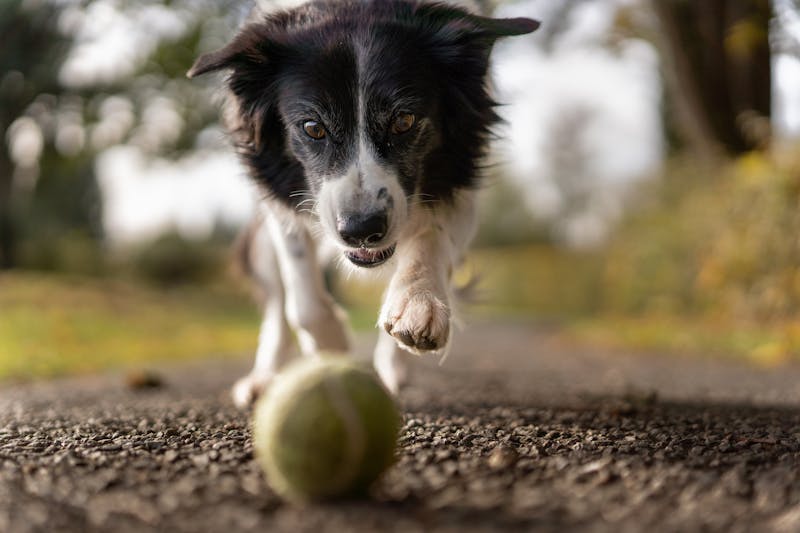
Dogs typically hold ears forward or to the side when relaxed. Ears pinned back flat against the head signal insecurity, anxiety, or submission. One ear forward and one back suggests uncertainty or conflicting emotions. Ear position changes often occur before more obvious stress behaviors.
Cats use ears differently. Forward-facing ears show interest and confidence. Ears flattened sideways like airplane wings indicate anxiety or fear. Ears pinned completely back against the head represent serious distress or preparation for defensive aggression.
Tail positions vary by species. Dogs with tucked tails clearly show submission and stress. Cats with puffed tails or tails held low demonstrate fear. A wagging dog tail doesn’t always mean happiness, and a twitching cat tail often signals irritation. Learn your pet’s specific tail language.
Body posture and movement patterns
Overall body posture reveals stress levels clearly. Learning postural cues helps you assess your pet’s comfort in any situation.
A confident, relaxed dog stands with weight evenly distributed, muscles loose, and movement fluid. Stress manifests through lowered body posture, weight shifted backward, trembling, or freezing in place. Some dogs pace compulsively when anxious, unable to settle.
Cats display stress through tense, crouched postures or attempts to become smaller. They may arch their backs when threatened. Excessive stretching or grooming can indicate displacement stress. Hiding represents a primary cat stress response, whether under furniture, in boxes, or in closets.
Changes in routine movement patterns signal stress. Dogs who suddenly refuse walks they previously enjoyed, cats who stop using litter boxes, or either species becoming unusually clingy or distant deserve attention. These behavioral shifts often indicate underlying anxiety.
Vocalizations: what your pet’s sounds mean
Pets use sound to communicate distress, though the specific sounds vary by individual and species. Learning your pet’s vocal stress signals helps you respond appropriately.
Dogs may whine, whimper, or bark excessively when stressed. Stress barking differs from alert barking in tone and pattern. Some dogs become unusually silent when anxious, withdrawing rather than vocalizing. Any significant change in vocalization patterns warrants attention.
Cats vocalize stress through increased meowing, yowling, or growling. Some cats become nearly silent when stressed. Hissing and spitting represent defensive stress reactions. Excessive nighttime vocalization often indicates anxiety, disorientation, or medical issues in older cats.
Learn your individual pet’s normal vocal range. Baseline knowledge helps you recognize when something changes. Sudden increases or decreases in vocalization, or new sounds entirely, indicate something affecting your pet’s emotional state.
Grooming and elimination changes
Stress significantly impacts grooming behaviors and bathroom habits. These changes often provide early stress indicators before more obvious signs appear.
Cats may over-groom when stressed, creating bald patches or skin irritation. Conversely, some cats stop grooming entirely, developing a dull, unkempt appearance. Both extremes indicate emotional distress requiring intervention. Stress also commonly causes litter box avoidance in cats.
Dogs may exhibit changes in elimination habits, including house soiling in previously reliable dogs. Some dogs develop stress-related diarrhea or constipation. Excessive grooming in dogs, while less common than cats, indicates anxiety when it occurs.
Sudden onset of any grooming or elimination change requires veterinary evaluation first. Rule out medical causes like urinary tract infections, parasites, or endocrine disorders before assuming behavioral origins.
Creating stress-reducing environments
Recognizing stress signs enables you to create environments where your pet feels secure. Environmental management significantly reduces anxiety for sensitive animals.
Provide safe spaces where pets can retreat when overwhelmed. Dogs benefit from crate training when crates represent positive spaces. Cats need elevated perches and hiding spots throughout your home. Never force pets to interact when they seek these safe zones.
Maintain consistent routines as much as possible. Predictability reduces anxiety dramatically. Regular feeding times, consistent exercise schedules, and stable household rhythms help pets feel secure. When changes must occur, introduce them gradually.
Consider calming aids for anxious pets. Pheromone diffusers, calming supplements, thunder shirts, and white noise machines help many pets cope with stress. These tools support behavior modification but don’t replace addressing underlying causes.
When stress requires professional help
Some stress levels exceed what owners can manage independently. Recognizing when to seek professional help protects your pet’s wellbeing.
Persistent stress lasting weeks or months damages physical and mental health. Pets showing chronic anxiety need veterinary evaluation and possibly referral to veterinary behaviorists. These specialists diagnose anxiety disorders and develop comprehensive treatment plans.
Aggression stemming from stress poses safety risks requiring immediate professional intervention. Any pet showing aggression toward humans or other animals needs expert assessment. Aggression rarely resolves without structured behavior modification.
Consider the frequency and severity of stress signs. Occasional stress responses to obvious triggers like thunderstorms represent normal reactions. Daily or constant signs of anxiety indicate serious quality of life concerns needing professional attention.
The power of observation
Learning your pet’s stress language deepens your bond and improves their life profoundly. Regular observation helps you spot subtle changes early, when intervention proves most effective. This awareness transforms you from pet owner to true pet advocate, ensuring your companion lives their happiest, healthiest life.
Remember that stress management is ongoing, not a one-time fix. Life changes constantly, and your pet’s stress responses may shift accordingly. Stay attentive, responsive, and willing to adjust your approach based on what your pet communicates through their body language every day.