Is My Pet Overweight? Simple Ways to Check Your Dog or Cat's Body Condition at Home
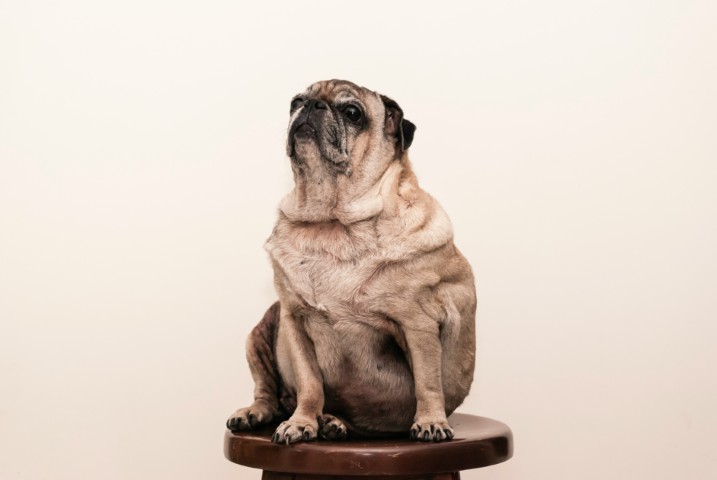
Is My Pet Overweight? Simple Ways to Check Your Dog or Cat’s Body Condition at Home
Is your pet overweight? It’s a common concern for pet owners.
As a devoted pet parent, and having personally helped my own golden retriever shed those extra pounds, I understand the constant worry about our furry friends' well-being. We want them to be happy, healthy, and by our sides for as long as possible. One common concern I often hear from fellow pet owners is, “Is my pet overweight?” It’s a valid question! Just like humans, maintaining a healthy weight is crucial for our dogs and cats to prevent various health issues and ensure a good quality of life.
In this comprehensive guide, we’ll explore simple yet effective ways to check your dog or cat’s body condition at home. Maintaining a healthy pet weight is crucial, and you’ll learn what to look for, why it matters for your pet’s health, and how to take action if you suspect your pet is carrying extra weight. We’ll cover everything from visual assessments to hands-on evaluations, providing you with the knowledge and confidence to assess your pet’s body condition accurately. So, let’s dive in and discover how to keep our beloved companions healthy and thriving!
Disclosure: As an Amazon Associate, ForPetsWithLove earns from qualifying purchases. We only recommend products we trust.
Table of Contents
What to Look for/Why it Matters
Before we dive into the specifics of checking your pet’s body condition, it’s important to understand what we’re looking for and why it matters. Maintaining a healthy weight is essential for your dog or cat’s overall health and well-being. Overweight pets are at a higher risk of developing various health problems, including:
- Diabetes: Excess weight can lead to insulin resistance and diabetes.
- Arthritis: Extra weight puts stress on joints, leading to pain and inflammation.
- Heart disease: Obesity can contribute to heart problems and high blood pressure.
- Breathing difficulties: Overweight pets may have trouble breathing, especially during exercise.
- Reduced lifespan: Studies have shown that overweight pets tend to live shorter lives.
By regularly checking your pet’s dog weight or cat weight and body condition, you can identify potential weight issues early on and take steps to address them. This can help prevent these health problems and ensure your furry friend enjoys a long, healthy, and happy life.
We’ll be looking for a few key indicators:
- Ribs: You should be able to feel your pet’s ribs without excessive fat covering.
- Waist: Your pet should have a visible waistline when viewed from above.
- Abdominal tuck: Your pet’s abdomen should tuck up behind the ribs when viewed from the side.
These indicators will help you determine if your pet is at a healthy weight, underweight, or overweight.
Visual Assessment
The first step in checking your pet’s body condition is a visual assessment. Stand a few feet away from your dog or cat and observe their body shape. Look for the following:
- Waistline: When viewed from above, your pet should have a visible waistline. This means that their body should narrow slightly behind the ribs. If your pet’s body is straight or wider than their ribs, they may be overweight.
- Abdominal Tuck: When viewed from the side, your pet’s abdomen should tuck up behind the ribs. This means that their belly should be higher than their chest. If your pet’s abdomen is sagging or level with their chest, they may be overweight.
- Overall Shape: Your pet should have a balanced and proportionate appearance. They shouldn’t look overly round or have bulging fat deposits.
Keep in mind that different breeds may have slightly different body shapes. For example, some breeds naturally have a deeper chest or a more muscular build. However, the general principles of a visible waistline and abdominal tuck still apply.
Hands-on Evaluation
In addition to a visual assessment, a hands-on evaluation can provide valuable insights into your pet’s body condition. Gently feel your pet’s body, paying attention to the following:
- Ribs: Place your hands on your pet’s ribcage. You should be able to feel their ribs without pressing hard, but they shouldn’t be prominently visible. If you can’t feel their ribs at all, or if you have to press firmly to feel them, your pet may be overweight. If the ribs are very easy to feel and appear sharp, your pet may be underweight.
- Spine: Run your hands along your pet’s spine. You should be able to feel the vertebrae, but they shouldn’t be sharp or bony. If you can’t feel the vertebrae at all, your pet may be overweight.
- Fat Covering: Assess the amount of fat covering your pet’s body. You should be able to feel a thin layer of fat over their ribs and spine, but it shouldn’t be excessive. If you can pinch a large amount of fat, your pet is likely overweight.
Remember to be gentle and avoid pressing too hard, especially if your pet is sensitive or has any underlying health conditions.
FAQs
Q: How often should I check my pet’s body condition?
A: It’s a good idea to check your pet’s body condition at least once a month. This will help you identify any potential weight issues early on and take steps to address them.
Q: What is the ideal weight for my pet?
A: The ideal weight for your pet will vary depending on their breed, age, and activity level. Consult with your veterinarian to determine the ideal weight range for your specific pet.
Q: What should I do if I think my pet is overweight?
A: If you think your pet is overweight, the first step is to consult with your veterinarian. They can help you determine the cause of the weight gain and develop a plan to help your pet lose weight safely and effectively. This may involve dietary changes, increased exercise, or other lifestyle modifications.
Conclusion
Regularly checking your pet’s body condition is a simple yet effective way to ensure their health and well-being. By performing visual and hands-on evaluations, you can identify potential weight issues early on and take steps to address them. Remember to consult with your veterinarian for personalized advice and guidance.
Taking proactive steps to manage your pet’s weight can significantly improve their quality of life and help them live a longer, healthier, and happier life by your side. So, start checking your pet’s body condition today and make a commitment to their long-term health! What steps will you take this week to ensure your pet is at a healthy weight?