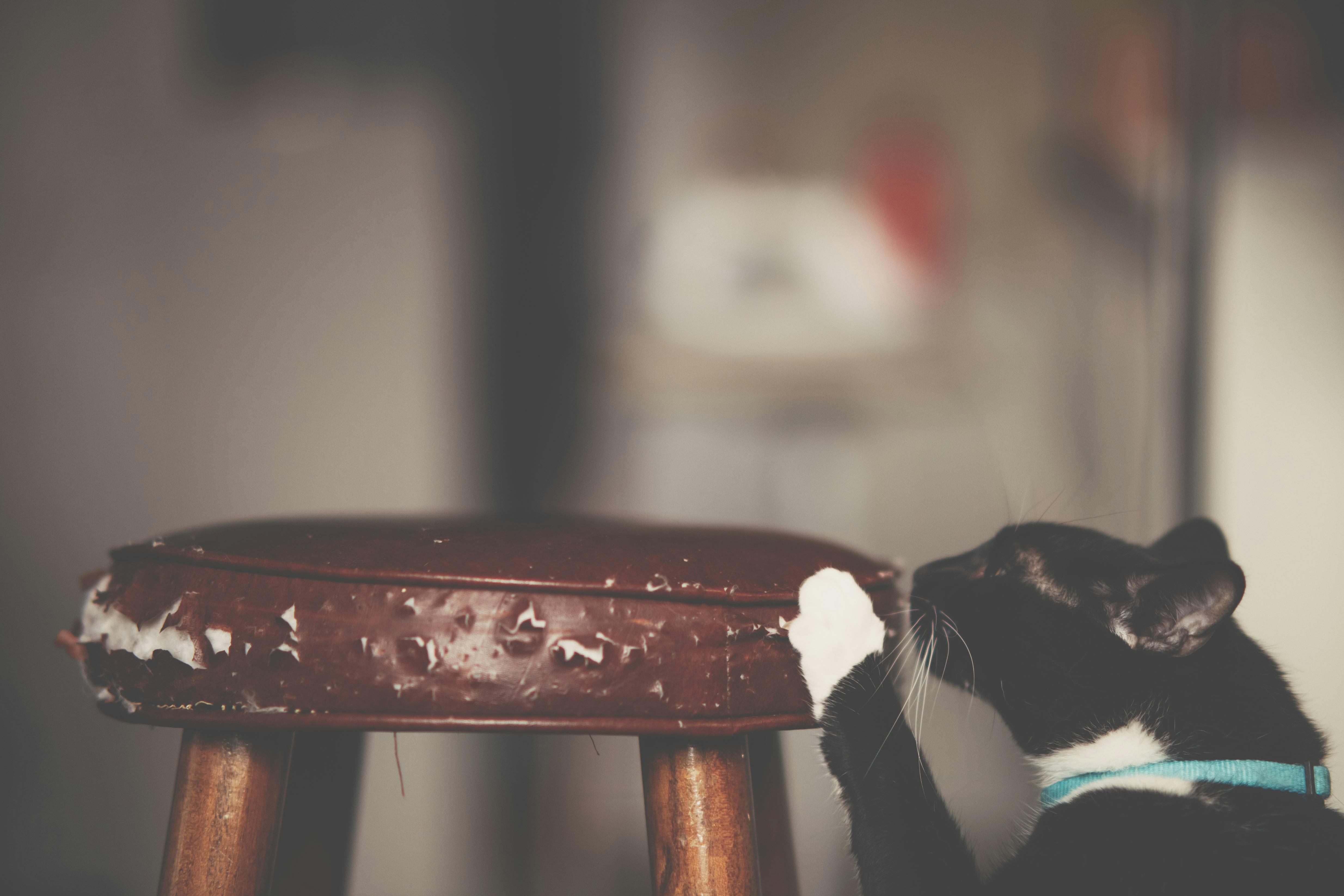
Your cat spends sixteen hours a day sleeping, four hours grooming, and the remaining time deciding whether that sunbeam or this cushion offers superior napping potential. While this lifestyle seems ideal to your feline friend, excessive inactivity leads to obesity, diabetes, arthritis, depression, and shortened lifespans.
Getting a lazy cat moving requires understanding feline motivation and designing activities that trigger instinctive hunting behaviors. The good news? Even the sleepiest cats have predatory instincts that the right stimulation can awaken.
Understanding why your cat won’t play
Before trying new activities, identify why your cat currently rejects exercise opportunities. Different root causes require different solutions.
Medical issues often masquerade as laziness. Arthritis makes movement painful, hypothyroidism slows metabolism, and heart conditions limit stamina. Age-related changes reduce energy levels naturally, though senior cats still need gentle movement. Obesity creates a vicious cycle where excess weight makes activity uncomfortable, leading to more inactivity and further weight gain.
Boredom with familiar toys explains many “lazy” cats who actually would play with new stimulation. Poor timing matters too—trying to engage a nocturnal animal during mid-afternoon nap time注定 fails. Environmental factors like excessive heat or cold affect activity levels significantly.
If your cat’s activity level changed suddenly, schedule a veterinary checkup before assuming simple laziness.
The prey drive advantage
Cats aren’t motivated by exercise for its own sake—they’re motivated by hunting. Understanding this distinction transforms how you approach feline fitness.
Wild cats spend hours stalking, chasing, pouncing, and capturing prey. This hunting sequence provides both physical exercise and mental stimulation. Your goal is replicating this natural sequence indoors through play that satisfies instinctive needs.
The complete hunting cycle includes spotting prey, stalking approach, intense chase, capture, and “killing” behavior like biting and kicking. Activities missing these elements fail to engage cats fully, explaining why many “exercise attempts” flop.
Successful cat exercise mimics hunting closely enough that your cat’s brain recognizes the activity as prey pursuit rather than pointless movement.
Wand toys that trigger instincts
Wand toys remain the gold standard for cat exercise because they best simulate prey movement patterns that trigger predatory responses.
Proper technique makes the difference between ignored wands and captivating entertainment. Move the toy like prey behaves—scurrying along the ground, darting under furniture edges, freezing then sprinting. Vary speed patterns rather than consistent motion. Real prey doesn’t move predictably, and neither should the toy.
Let your cat catch the toy periodically. Constantly jerked-away toys frustrate cats and eventually extinguish interest. Successful captures reward persistence and build confidence for continued play.
Rotate wand attachments regularly to maintain novelty. Feathers, fabric strips, toy mice, and string attachments all trigger different responses. What excites your cat one week may bore them the next.
Electronic and motion toys
For cats who ignore manual toys, electronic alternatives provide movement variety even when you’re unavailable.
Automatic laser toys project moving dots across floors and walls, triggering chase instincts. Limited-duration settings prevent obsession, and safety features protect eyes from direct beam exposure. However, lasers never allow “capture,” potentially causing frustration. Follow laser play with a physical toy your cat can actually catch.
Motion-activated toys respond to your cat’s movement, creating unpredictable play sessions. Battery-operated mice and fluttering birds move erratically when bumped, continuing play independently.
Electronic treat dispensers combine mental stimulation with physical movement as cats bat, roll, or solve puzzles to release food rewards.
Food puzzles and foraging feeders
Transforming mealtime into exercise time serves dual purposes for lazy cats who love their food.
Puzzle feeders require batting, rolling, or manipulating objects to access kibble. Difficulty levels range from simple balls with holes to complex mazes requiring multi-step solutions. Start easy and gradually increase challenge as your cat masters each level.
Snuffle mats with fabric strips hide dry food requiring cats to search and extract pieces. Foraging boxes hidden around the house encourage natural hunting and scavenging behaviors. Kong-style toys stuffed with treats or wet food engage cats for extended periods.
Scatter feeding—spreading kibble across the floor rather than using bowls—forces cats to move between bites. Simple but effective for food-motivated cats.
Vertical space for natural climbing
Cats evolved as tree-dwelling predators and retain powerful climbing instincts. Vertical space encourages natural exercise cats actually enjoy.
Cat trees with multiple levels provide climbing, perching, and scratching opportunities. Window perches let cats survey territory while sunbathing—surprisingly active mental stimulation. Wall-mounted shelves create highways and lookout points throughout your home.
Tall scratching posts encourage stretching and climbing to reach upper sections. Bookcases and wardrobe tops cleared of breakables offer vantage points cats naturally seek.
Even lazy cats occasionally feel the urge to climb high spaces. Making these options safe and accessible encourages spontaneous activity.
Interactive play sessions
Your participation dramatically increases exercise effectiveness compared to leaving toys out alone.
Schedule regular sessions—ideally twice daily for 10-15 minutes each. Consistency matters more than duration; brief daily sessions outperform sporadic marathon play. Pre-meal timing works best since it mimics natural hunting-then-eating patterns.
End on a positive note with a successful capture your cat can “kill.” Follow with a small treat or meal to complete the hunting sequence. This satisfaction loop reinforces willingness to play next time.
Use your cat’s natural rhythms. Dawn and dusk are peak activity times. Forcing play during deep sleep periods wastes your effort and annoys your cat.
Environmental enrichment
A stimulating environment encourages self-directed activity between scheduled play sessions.
Catnip and silvervine trigger energetic play in responsive cats. Cat grass provides nibbling entertainment and aids digestion. Cardboard boxes and paper bags satisfy hiding and pouncing instincts at zero cost.
Bird feeders outside windows create “cat television” that engages visual hunting instincts even during rest. Fish tanks offer similar stimulation, though adequate protection prevents actual hunting.
Rotate toys weekly to maintain novelty. Cats habituate to constant environmental features and stop noticing them. Yesterday’s ignored toy becomes today’s favorite after a week in storage.
Building exercise habits gradually
Overweight and sedentary cats need gradual introduction to avoid injury and build sustainable habits.
Start with two-minute sessions and increase slowly as your cat builds stamina. Choose low-impact activities initially—slow wand movements rather than frantic chasing. Watch for signs of fatigue like panting, lying down, or disinterest.
Celebrate small victories enthusiastically. Your positive energy reinforces that play feels good and is worth the effort. Never force interaction by dragging your cat to toys or holding them during play. Negative associations kill motivation quickly.
Weight loss happens gradually. Expect months, not weeks, to reach healthy activity levels. Patience prevents injury and builds lasting behavioral changes.
When to get creative
Some cats resist traditional toys entirely, requiring unconventional approaches.
Bubble chasing fascinates certain cats who ignore normal toys. Crumpled paper balls across hard floors trigger pouncing instincts inexpensively. Flashlight beams on walls create moving targets some cats can’t resist.
Remote control toys—cars, bugs, or other moving objects—engage cats through truly unpredictable movement. Apps designed for cats on tablets display moving fish, insects, or laser dots some cats enthusiastically chase.
Experiment with different sensory triggers. Some cats respond to sound-based toys, others to visual movement, still others to texture and scent combinations.
The importance of patience
Transforming a lazy cat into an active one takes time and consistency. Expect setbacks and days when motivation disappears entirely.
Continue offering opportunities even when rejected. Cats aren’t machines, and interest fluctuates naturally. Track subtle improvements—slight weight loss, increased alertness, brief bursts of energy—rather than expecting dramatic overnight transformations.
Remember that some cats naturally prefer calmer lifestyles. The goal isn’t creating an Olympic athlete but ensuring reasonable movement that maintains health and prevents disease. Your lazy cat may never become a parkour champion, but even modest activity improvements significantly impact quality and length of life.
As an Amazon Associate, ForPetsWithLove earns from qualifying purchases. We only recommend products we trust. Consult your veterinarian before beginning exercise programs for overweight, elderly, or medically compromised cats.