How to Stop Leash Biting - Tips and Tricks for a Happier Walk
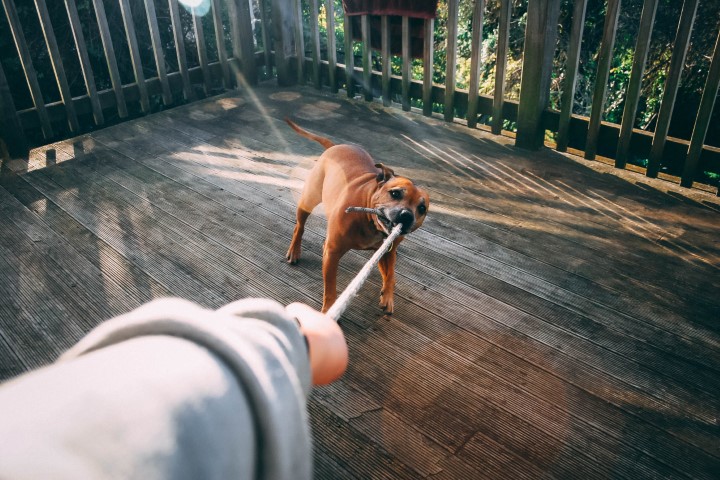
Leash biting can be frustrating and dangerous for both you and your dog. In this guide, we’ll provide you with tips and tricks on how to stop leash biting and enjoy a happier walk with your furry friend. Disclosure: As an Amazon Associate, ForPetsWithLove earns from qualifying purchases. We only recommend products we trust.
Understanding Leash Biting
Leash biting is a common behavior among dogs, especially puppies. It can be caused by a variety of factors, including boredom, anxiety, and teething. Dogs may also bite the leash as a way to assert their dominance or to get attention. Whatever the cause, it’s important to address this behavior to prevent it from becoming a habit.
Tips for Stopping Leash Biting
Here are some tips and tricks for stopping leash biting:
1. Provide Plenty of Exercise and Mental Stimulation
One of the main reasons dogs bite the leash is boredom. Make sure your dog is getting plenty of exercise and mental stimulation to keep them entertained and engaged. Take them for walks, play fetch, and provide them with puzzle toys and interactive games.
2. Use Positive Reinforcement
Positive reinforcement is a powerful tool for training your dog. When your dog behaves well on a walk, reward them with treats, praise, and affection. This will help reinforce good behavior and discourage leash biting.
3. Teach Your Dog the “Leave It” Command
Teaching your dog the “leave it” command can be helpful in stopping leash biting. When your dog starts to bite the leash, say “leave it” and offer them a treat or toy as a distraction. Repeat this process until your dog learns to associate the “leave it” command with stopping leash biting.
4. Use a Different Type of Leash
Some dogs may be more prone to leash biting with certain types of leashes. If your dog is biting a nylon or leather leash, try using a chain or rope leash instead. This may discourage leash biting and provide a different texture for your dog to chew on.
5. Seek Professional Help
If your dog’s leash biting behavior is persistent or severe, it may be time to seek professional help. A dog trainer or behaviorist can provide you with personalized advice and guidance on how to stop leash biting.
FAQs
Why is my dog biting the leash?
Dogs may bite the leash for a variety of reasons, including boredom, anxiety, teething, and a desire for attention or dominance.
Is leash biting dangerous?
Leash biting can be dangerous for both you and your dog. It can lead to broken leashes, injuries, and even aggression.
How can I prevent leash biting?
Preventing leash biting involves providing your dog with plenty of exercise and mental stimulation, using positive reinforcement, teaching your dog the “leave it” command, using a different type of leash, and seeking professional help if necessary.
Conclusion
Leash biting can be a frustrating and dangerous behavior, but it’s not impossible to stop. By providing your dog with plenty of exercise and mental stimulation, using positive reinforcement, teaching your dog the “leave it” command, using a different type of leash, and seeking professional help if necessary, you can help your furry friend overcome this behavior and enjoy a happier walk. Remember, a well-behaved dog is a happy dog! Check out our article on Train Your Dog to Walk on a Leash for more tips on leash training.
Essential Tips
- Start with the basics and build up gradually
- Consistency is key to success
- Monitor progress and adjust as needed
- Don’t hesitate to seek professional help
- Keep records of your progress
Common Questions
How long does it take to see results?
Results vary depending on individual circumstances, but most people notice improvements within 2-4 weeks of consistent effort.
What are the most common mistakes?
The most common mistakes include rushing the process, not being consistent, and skipping important steps. Take your time and follow the guide carefully.
When should I seek professional help?
If you’re unsure about any aspect or if problems persist despite your best efforts, it’s always best to consult with a professional who can provide personalized guidance.
Detailed Explanation
Understanding the underlying principles is crucial for long-term success. This section breaks down the key concepts and provides in-depth information to help you make informed decisions.
Why This Matters
Proper implementation of these techniques can significantly improve outcomes. Research has shown that following evidence-based practices leads to better results and fewer complications.
Best Practices
- Always prioritize safety and well-being
- Use high-quality materials and tools
- Follow manufacturer guidelines
- Keep detailed records
- Stay informed about latest developments