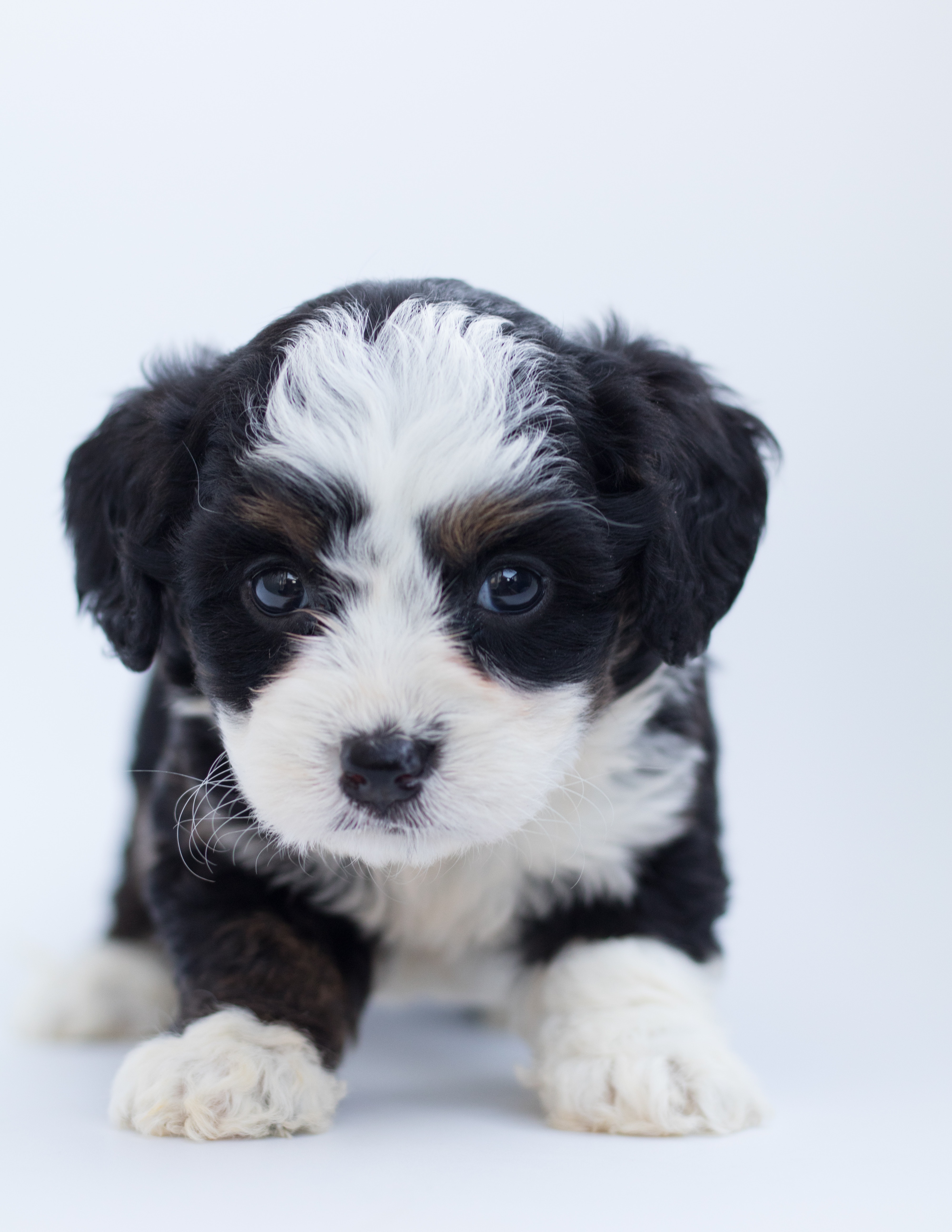
Dog Food Allergies Guide
Food allergies in dogs are more common than you think. Here’s how to identify and manage them.
Food Allergy vs Food Intolerance
Allergy: Immune system reaction, often involves itching and skin issues
Intolerance: Digestive system reaction, causes vomiting or diarrhea
Most Common Culprits
Dogs are usually allergic to:
- Beef (most common)
- Chicken
- Dairy
- Wheat
- Egg
- Lamb
- Soy
- Corn (less common than believed)
Signs of Food Allergies
- Chronic ear infections
- Paw licking
- Itchy rear end
- Hot spots
- Skin infections
- Hair loss
- Vomiting (less common)
- Diarrhea (less common)
Diagnosis: Elimination Diet
The only way to diagnose food allergies:
- 8-12 weeks minimum on novel protein/carb source
- No treats, table food, or flavored medications
- Must be a truly hypoallergenic diet
- Then reintroduce ingredients one at a time
- Watch for reaction
Novel Protein Options
- Venison
- Duck
- Kangaroo
- Fish
- Rabbit
Prescription Diets
- Hill’s z/d
- Royal Canin HP
- Purina HA
Managing Food Allergies
Once identified:
- Avoid triggering ingredient permanently
- Read all treat labels
- Be careful with flavored medications
- Consider hydrolyzed protein diets