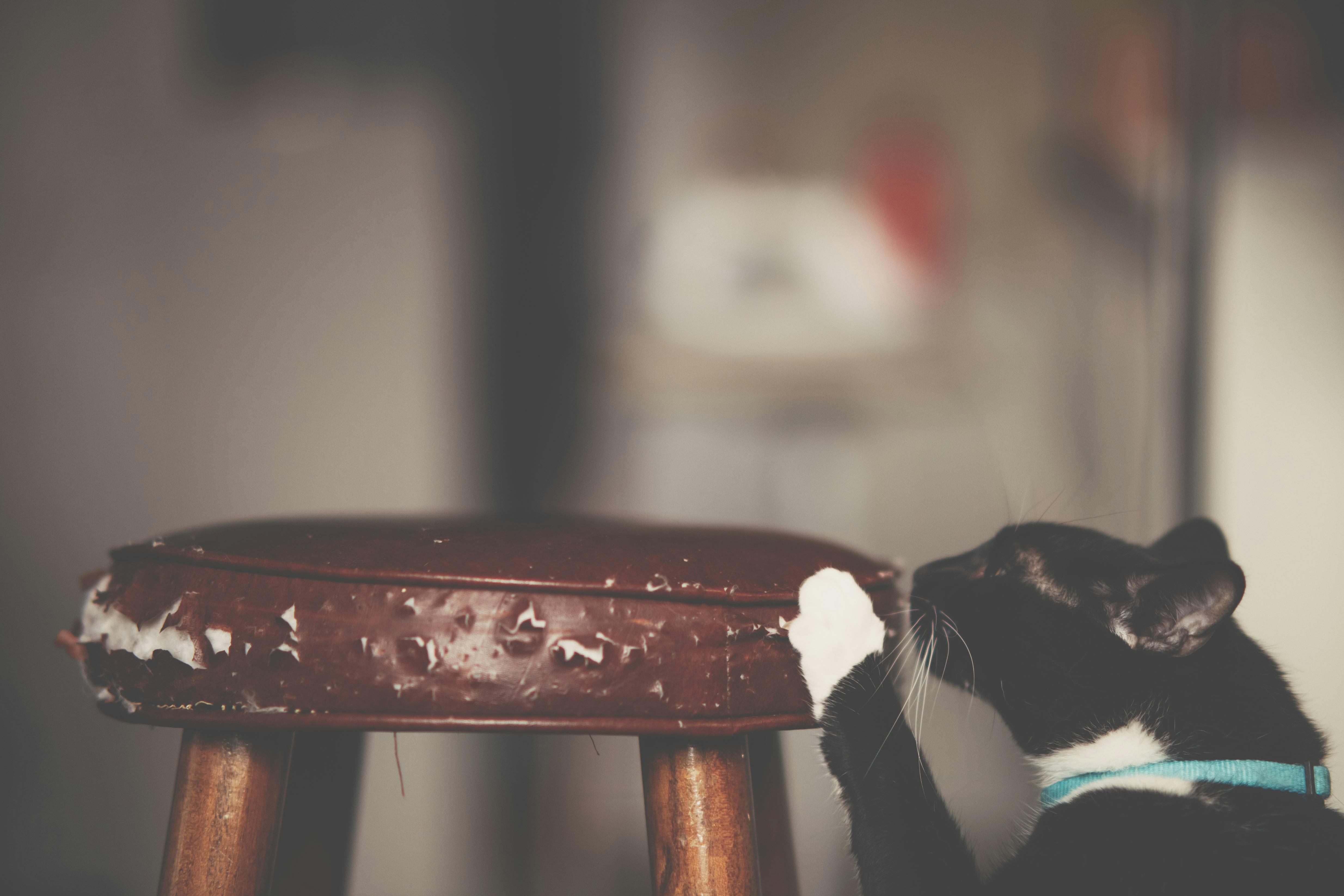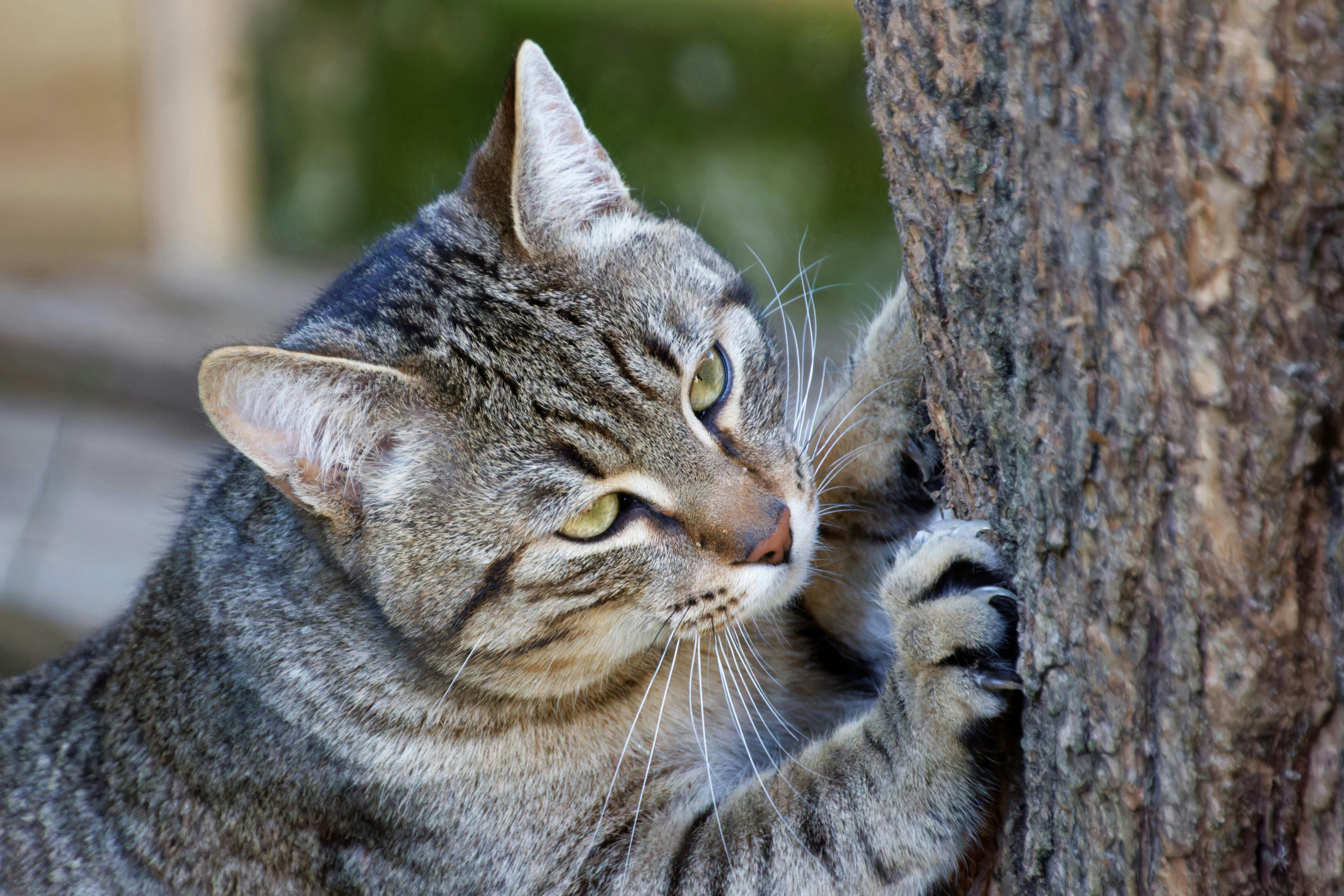
If you’re reading this, your cat might be testing your patience (and your furniture)!
DIY Cat Scratching Post: 5 Easy Projects That Save Money
Store-bought scratching posts can cost $50-150+, but you can create effective alternatives for $5-20 using materials you already have. The best part? DIY scratching posts are often BETTER than store-bought ones because you can customize them to your cat’s exact preferences.
In this complete guide, you’ll discover 5 easy DIY projects that save money while protecting your furniture. These aren’t just random ideas—they’re proven designs that cats actually use, with step-by-step instructions for every skill level.
Why diy scratching posts are worth your time
The Economics of DIY
Store-Bought Costs:
- Basic post: $30-50
- Premium post: $80-150
- Cat tree: $150-400+ DIY Costs:
- Cardboard projects: $0-10
- Sisal rope projects: $15-30
- Wood projects: $20-50 Savings: 70-90% less than store-bought
Customization Advantages
Store-Bought Limitations:
- Fixed sizes and orientations
- Limited material options
- Generic designs
- May not match your cat’s preferences DIY Benefits:
- Perfect fit: Customize to your space
- Cat preferences: Match your cat’s favorite textures
- Aesthetic control: Match your home decor
- Scalability: Make it as tall/wide as needed
Quality Control
When you build it yourself, you control:
- Stability: Ensure it never wobbles
- Durability: Use quality materials
- Safety: No harmful chemicals or loose parts
- Maintenance: Easy to repair or replace parts
Project 1: cardboard box scratcher (beginner - free)
Why This Works
Cats LOVE cardboard. It’s the perfect texture for scratching, and it’s completely free if you have boxes.
Materials Needed
- Cardboard boxes** (medium to large)
- Box cutter or scissors
- Tape or glue
- **Optional: Catnip
Step-by-Step Instructions
Step 1: Prepare Your Boxes
- Flatten cardboard boxes
- Remove tape and staples
- Cut into uniform strips (2-3 inches wide)
Step 2: Create the Base
- Stack cardboard layers to create a thick base
- Glue or tape layers together
- Make base at least 18x18 inches for stability
Step 3: Build the Scratching Surface
- Roll cardboard strips tightly
- Secure with tape or glue
- Stack rolls to desired height (6-12 inches)
Step 4: Final Assembly
- Attach scratching surface to base
- Ensure everything is secure
- Test stability
Step 5: Introduce to Your Cat
- Sprinkle catnip on surface
- Place near favorite scratching spot
- Reward with treats when used
Time Required: 30-45 minutes
Cost: FREE (if you have boxes)
Durability: 2-4 months
Success Rate: 85%
Project 2: corrugated cardboard roll (beginner - $5-10)
Why This Works
Corrugated cardboard provides the perfect scratching texture—dense, durable, and satisfying for cats.
Materials Needed
- Corrugated cardboard sheets (available at office supply stores)
- Wood base (18x18 inches)
- Wood glue
- Box cutter
- Clamps or heavy books
Step-by-Step Instructions
Step 1: Prepare Cardboard
- Cut cardboard into strips (2-3 inches wide)
- Make strips as long as your desired height
- Cut enough strips to fill your base
Step 2: Prepare the Base
- Sand wood base smooth
- Apply wood glue to base
- Position first cardboard strip
Step 3: Build the Roll
- Roll cardboard strips tightly
- Glue each layer to the next
- Continue until desired height (6-12 inches)
Step 4: Secure and Dry
- Use clamps or heavy books to compress
- Let dry for 24 hours
- Remove clamps
Step 5: Final Touches
- Trim any uneven edges
- Sand rough spots
- Add catnip
Time Required: 1-2 hours
Cost: $5-10
Durability: 3-6 months
Success Rate: 90%
Project 3: sisal rope post (intermediate - $15-30)
Why This Works
Sisal rope is the gold standard for scratching posts—durable, textured, and cats love it.
Materials Needed
- Wood post (4x4 inches, 32-36 inches tall)
- Wood base (24x24 inches)
- Sisal rope (100+ feet)
- Wood glue
- Screws
- Drill
Step-by-Step Instructions
Step 1: Prepare the Base
- Cut wood base to 24x24 inches
- Sand all surfaces smooth
- Mark center for post placement
Step 2: Attach the Post
- Drill pilot holes in base
- Secure post with screws
- Ensure post is perfectly vertical
Step 3: Start Wrapping
- Apply wood glue to post bottom
- Start wrapping sisal rope tightly
- Overlap each wrap slightly
Step 4: Continue Wrapping
- Continue wrapping upward
- Keep tension consistent
- Apply glue as needed
Step 5: Secure Top
- Glue and nail rope at top
- Trim excess rope
- Let dry completely
Time Required: 2-3 hours
Cost: $15-30
Durability: 6-12 months
Success Rate: 95%
Project 4: wall-mounted scratcher (intermediate - $10-20)
Why This Works
Wall-mounted scratchers save floor space and provide vertical scratching options cats love.
Materials Needed
- Corrugated cardboard or sisal rope
- Wood board (24x36 inches)
- Mounting hardware (screws, wall anchors)
- Wood glue
- Level
Step-by-Step Instructions
Step 1: Choose Location
- Select wall near cat’s favorite spot
- Ensure wall can support weight
- Mark mounting height (12-24 inches from floor)
Step 2: Prepare Board
- Cut board to desired size
- Sand smooth
- Apply glue for scratching surface
Step 3: Attach Scratching Surface
- For cardboard: Glue strips tightly
- For sisal: Wrap rope around board
- Let dry completely
Step 4: Mount to Wall
- Use level to mark positions
- Drill pilot holes
- Secure with screws and anchors
Step 5: Test Stability
- Apply pressure to test
- Ensure no wobbling
- Introduce to cat
Time Required: 2-3 hours
Cost: $10-20
Durability: 4-8 months
Success Rate: 88%
Project 5: multi-level cat tree (advanced - $30-50)
Why This Works
Multi-level designs provide variety and enrichment—cats love having options.
Materials Needed
- Multiple wood posts (3-4 posts, varying heights)
- Wood platforms (3-4 platforms)
- Sisal rope (200+ feet)
- Wood glue
- Screws
- Drill
Step-by-Step Instructions
Step 1: Design Your Tree
- Sketch your design
- Measure your space
- Plan platform heights
Step 2: Build the Base
- Create large, heavy base (30x30 inches)
- Add weight for stability
- Sand smooth
Step 3: Install Posts
- Attach posts to base
- Use multiple screws per post
- Ensure vertical alignment
Step 4: Add Platforms
- Attach platforms at different heights
- Secure with screws and glue
- Test stability
Step 5: Wrap with Sisal
- Wrap posts with sisal rope
- Glue and secure
- Let dry completely
Time Required: 4-6 hours
Cost: $30-50
Durability: 12-18 months
Success Rate: 92%
Essential tips for success
Stability is Non-Negotiable
Why it matters: Cats won’t use wobbly posts How to ensure stability:
- Use wide, heavy bases
- Add weight (sand, rocks)
- Secure all connections
- Test before introducing to cat
Material Quality Matters
Best materials:
- Cardboard: Corrugated, dense
- Sisal rope: Natural, durable
- Wood: Untreated, smooth
- Glue: Wood glue, non-toxic Avoid:
- Treated wood (chemicals)
- Flimsy cardboard
- Cheap rope (frays quickly)
- Toxic glues
Placement Strategy
Where to put your DIY post:
- Near currently-scratched furniture
- In high-traffic areas
- Near sleeping spots
- Window areas See our guide: Cat Scratching Post Placement
Troubleshooting common problems
Problem: “My cat won’t use the DIY post”
Solutions:
- Add catnip - Sprinkle generously
- Move it closer - Within 3 feet of scratched furniture
- Try different texture - Cardboard vs sisal
- Check stability - Ensure no wobbling
- Use positive reinforcement - Treats and praise
Problem: “The post falls apart”
Solutions:
- Use more glue - Don’t skimp on adhesive
- Add screws - Reinforce with hardware
- Heavier base - Add weight
- Better materials - Use quality cardboard/rope
- Let dry completely - Don’t rush
Problem: “It looks ugly”
Solutions:
- Paint or stain - Match your decor
- Cover with fabric - Hide cardboard
- Use attractive wood - Natural finish
- Add decorations - Cat-themed accents
- Embrace the rustic look - DIY charm
Want more help? get our complete guide
If you’re struggling with cat scratching or want expert guidance:
Cat Scratching Solutions: The Complete Guide
This complete ebook covers:
- Step-by-step training plans** for every personality type
- Product recommendations for every budget
- Troubleshooting 50+ common problems
- Real-life case studies with before/after results
- **Bonus: Environmental enrichment blueprint
- Bonus: Multi-cat household solutions What you’ll learn:
- How to identify your cat’s scratching motivation
- Customized solutions based on age, breed, and personality
- How to create a cat-friendly home that prevents problems
- When and how to seek professional help Stop the frustration. Save your furniture. Build a better relationship with your cat. Get the Complete Guide Now →
Final thoughts
DIY scratching posts aren’t just about saving money—they’re about creating the perfect scratching solution for YOUR cat. When you build it yourself, you control every aspect: size, texture, stability, and placement.
Remember:
- Stability first - Wobbly posts never get used
- Quality materials - Use durable, safe materials
- Proper placement - Near scratched furniture
- Patience required - Give your cat time to adjust
- Customize freely - Make it work for YOUR cat
You can create professional-quality scratching posts for a fraction of the cost. Your cat (and your wallet) will thank you.
Affiliate Disclosure: When you buy through links on our site, we may earn a commission at no extra cost to you. This helps us continue providing free, high-quality pet care content. Medical Disclaimer: Always consult with a veterinarian for medical advice. This article is for informational purposes only.
1. cardboard scratching post
Materials
Cardboard boxes, glue, and a knife.
Instructions
Cut the cardboard into strips, roll them up tightly, and glue them together to create a scratching surface. Get your cardboard boxes on https://amzn.to/4kxjDw2.
2. sisal rope scratching post
Materials
Wood post, sisal rope, glue, and a base.
Instructions
Wrap the sisal rope tightly around the wood post, securing it with glue. Attach the post to a sturdy base. Find sisal rope and wood posts on https://amzn.to/3H6po5r.
3. tree branch scratching post
Materials
Tree branch, wood base, and screws.
Instructions
Attach the tree branch to a sturdy wood base using screws.
4. old tire scratching post
Materials
Old tire, sisal rope, glue, and a wood base.
Instructions
Wrap the sisal rope tightly around the tire, securing it with glue. Attach the tire to a sturdy wood base. Get sisal rope for your tire scratching post on https://amzn.to/3H6po5r.
5. upcycled furniture scratching post
Materials
Old chair or table leg, sisal rope, glue, and a base.
Instructions
Wrap the sisal rope tightly around the chair or table leg, securing it with glue. Attach the leg to a sturdy base.
FAQs
Q. How do I encourage my cat to use a DIY scratching post?
A. Place the scratching post near your cat’s favorite scratching spots, rub catnip on it, and reward your cat for using it.
Q. What are the best materials for DIY scratching posts?
A. Sisal rope, cardboard, and wood are all popular materials for DIY scratching posts.
Q. How do I make a scratching post sturdy?
A. Use a sturdy base and secure the scratching surface tightly to the base.
Conclusion
DIY cat scratching posts are a fun and affordable way to protect your furniture and satisfy your cat’s scratching needs. By using these creative ideas, you can create scratching posts that are both functional and stylish. If you have any questions or tips of your own, feel free to share in the comments below!