Cat zoomies at night: how to calm evening energy
Disclosure: As an Amazon Associate, ForPetsWithLove earns from qualifying purchases. We only recommend products we trust.
You’re finally settling in for the evening, maybe watching your favorite show or reading a book, when suddenly your cat transforms into a furry tornado. They race across the living room, scale the curtains, knock over your water glass, and sprint up and down the hallway like they’re training for the Olympics. Welcome to the world of cat zoomies, one of the most entertaining yet sometimes disruptive aspects of sharing your home with a feline friend.
What exactly are cat zoomies
Cat zoomies, officially called frenetic random activity periods, are those sudden bursts of energy that send cats racing around your home at breakneck speeds. During these episodes, your normally dignified companion becomes a blur of fur, bouncing off walls, darting under furniture, and executing impressive leaps that would make an Olympic gymnast jealous.
These energy explosions are completely normal feline behavior, though they can feel chaotic when you’re trying to relax or sleep. Understanding what triggers zoomies helps you manage them effectively and maybe even prevent the most disruptive nighttime episodes.
Why cats get zoomies: understanding the biology
Cats are crepuscular creatures, which means they’re naturally most active during dawn and dusk. This behavioral pattern evolved from their wild ancestors who hunted during these low-light periods when prey was abundant and visibility favored ambush predators. Your house cat retains these instincts despite living indoors.
In the wild, cats spend considerable energy stalking, chasing, and capturing prey. Domestic cats without hunting outlets need to burn that same energy somehow. Zoomies are essentially your cat’s way of simulating the hunt, practicing pouncing skills, and satisfying their need for intense physical activity.
Boredom also contributes significantly to zoomies. Cats with insufficient mental stimulation and play opportunities often store up energy that releases in explosive bursts. This is especially common in single-cat households or homes where owners are away during the day.
Why nighttime zoomies feel especially disruptive
Cat zoomies can happen anytime, but they often seem most noticeable and inconvenient at night. Several factors converge to create the perfect storm of evening feline hyperactivity.
After sleeping most of the day while you’re at work, your cat has stored up considerable energy. When you return home and provide food, attention, and activity, they become stimulated. By evening, that stored energy needs an outlet.
Your evening routine also plays a role. As you wind down, your cat may interpret your changed behavior as an invitation to play. The quiet house at night amplifies the sounds of galloping paws and crashing objects, making zoomies feel more chaotic than they actually are.
Recognizing pre-zoomie behaviors
Cats often give signals before launching into full zoomie mode. Learning these warning signs helps you either prepare your environment or intervene with appropriate play before things get out of hand.
Look for dilated pupils that make your cat’s eyes look completely black. This indicates excitement and readiness for activity. Tail twitching, especially at the tip, and crouched, wiggling postures suggest your cat is preparing to pounce.
Sudden intense focus on nothing in particular, often accompanied by twitching whiskers and ears, indicates your cat is in hunting mode. Chattering sounds, sometimes directed at birds or insects visible through windows, can also precede indoor zoomies when the unavailable prey frustrates your cat.
Strategies to reduce evening zoomies
Managing nighttime zoomies requires addressing both the energy source and the timing of its release. With consistent effort, you can shift your cat’s most active periods away from your sleep time.
Schedule interactive play sessions in the early evening, ideally an hour or two before bedtime. Use wand toys, laser pointers, or fishing pole toys that encourage jumping, pouncing, and running. Aim for fifteen to twenty minutes of active play that truly tires your cat out.
Feed your cat their largest meal right before your bedtime. Hunting naturally concludes with eating, and a full belly encourages sleep. This timing helps wire your cat’s brain to associate evening with hunting, eating, and then resting.
Try puzzle feeders or treat-dispensing toys during evening hours. These provide mental stimulation that burns energy more effectively than physical activity alone. The challenge of extracting food satisfies natural hunting instincts.
Creating a calming evening environment
Your home environment significantly influences your cat’s evening energy levels. Simple adjustments can help your cat transition from active play to peaceful sleep mode.
Dim the lights gradually as evening progresses. Bright lights can signal daytime activity to your cat’s internal clock. Consider using dimmer switches or lamps instead of overhead lighting during evening hours.
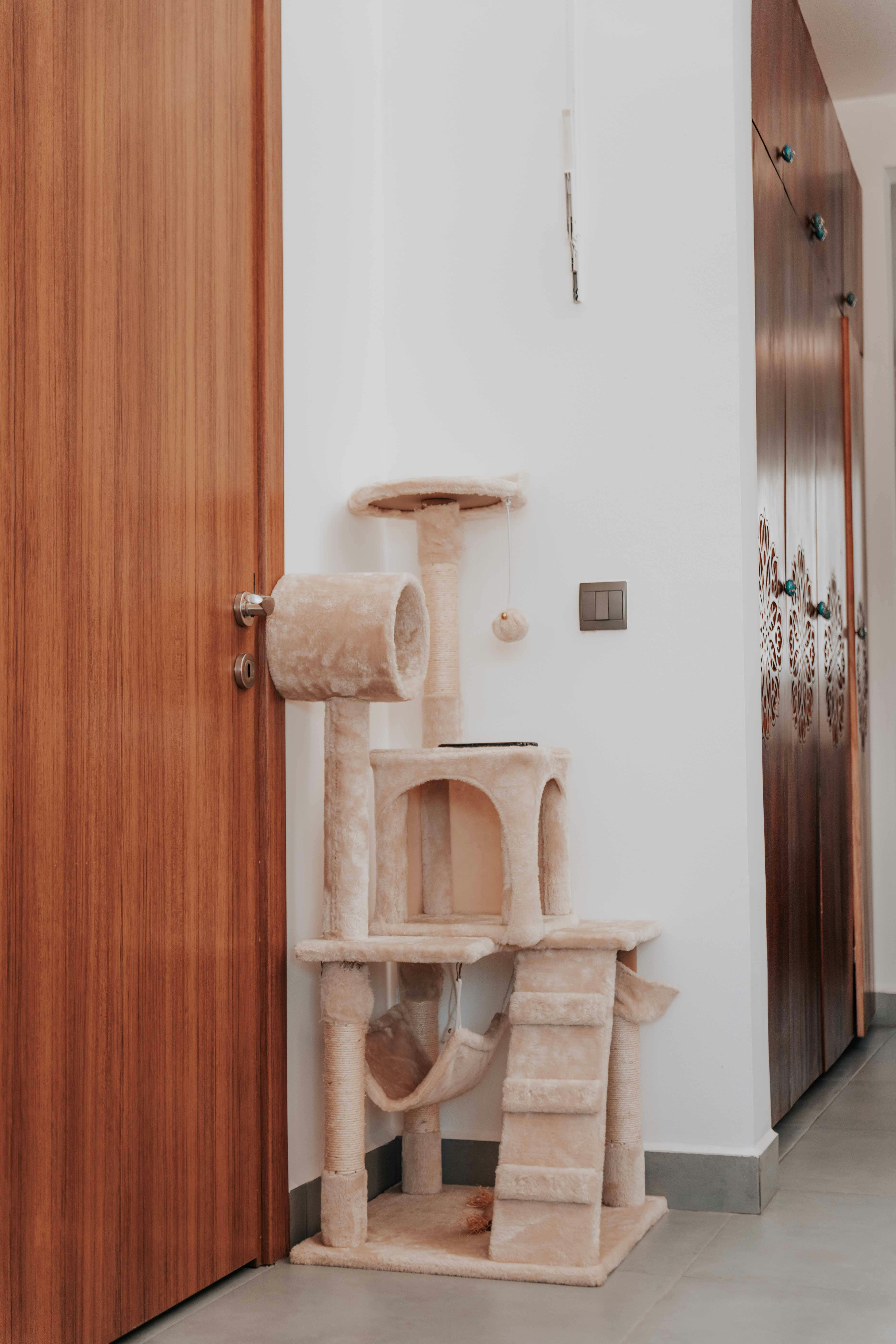
Provide vertical space where your cat can climb and observe. Cat trees, wall shelves, or even cleared bookshelves give cats appropriate outlets for climbing energy. High vantage points also help cats feel secure as they settle down for the night.
Establish consistent bedtime routines that signal sleep is approaching. Cats thrive on predictability. The same sequence of events each evening, ending with a calm period in the bedroom, helps your cat understand when it’s time to rest.
Dealing with zoomies in the moment
Sometimes despite your best efforts, zoomies happen anyway. Knowing how to handle these episodes minimizes disruption and keeps your cat safe.
Never try to physically stop a cat in mid-zoomie. You risk injury to yourself and stress for your cat. Instead, clear breakable items from their likely paths and ensure doors to unsafe areas are closed.
If zoomies happen during sleeping hours, resist the urge to engage fully. Offering attention rewards the behavior and may encourage more nighttime activity. Stay calm and quiet, and wait for the episode to pass naturally.
Consider keeping toys in every room so your cat can redirect energy appropriately if zoomies strike. Soft balls, springs, or motorized toys allow solo play that burns energy without your direct involvement.
When to seek professional help
While zoomies are usually harmless, certain patterns warrant veterinary attention. Sudden changes in activity level, especially in older cats, can indicate medical issues.
Hyperthyroidism commonly causes increased energy and activity in cats, particularly older ones. Other symptoms include weight loss despite increased appetite, increased thirst, and more frequent vocalization.
Pain or discomfort sometimes manifests as restlessness that looks like zoomies. If your cat seems agitated rather than playful during episodes, or if episodes include unusual behaviors like excessive grooming of one area, schedule a vet visit.
Embracing the zoomies
Remember that zoomies are a sign of a healthy, happy cat. They indicate your feline companion has energy to burn and feels secure enough in their environment to fully express their natural behaviors. With thoughtful management, you can enjoy the entertainment of occasional zoomies without sacrificing your sleep or sanity.