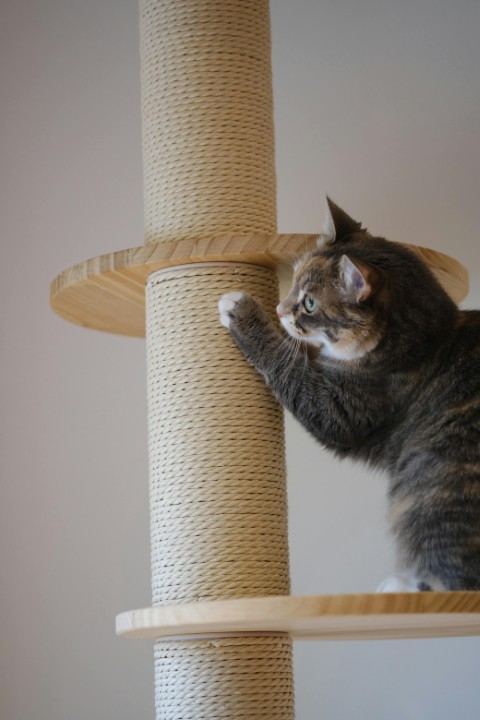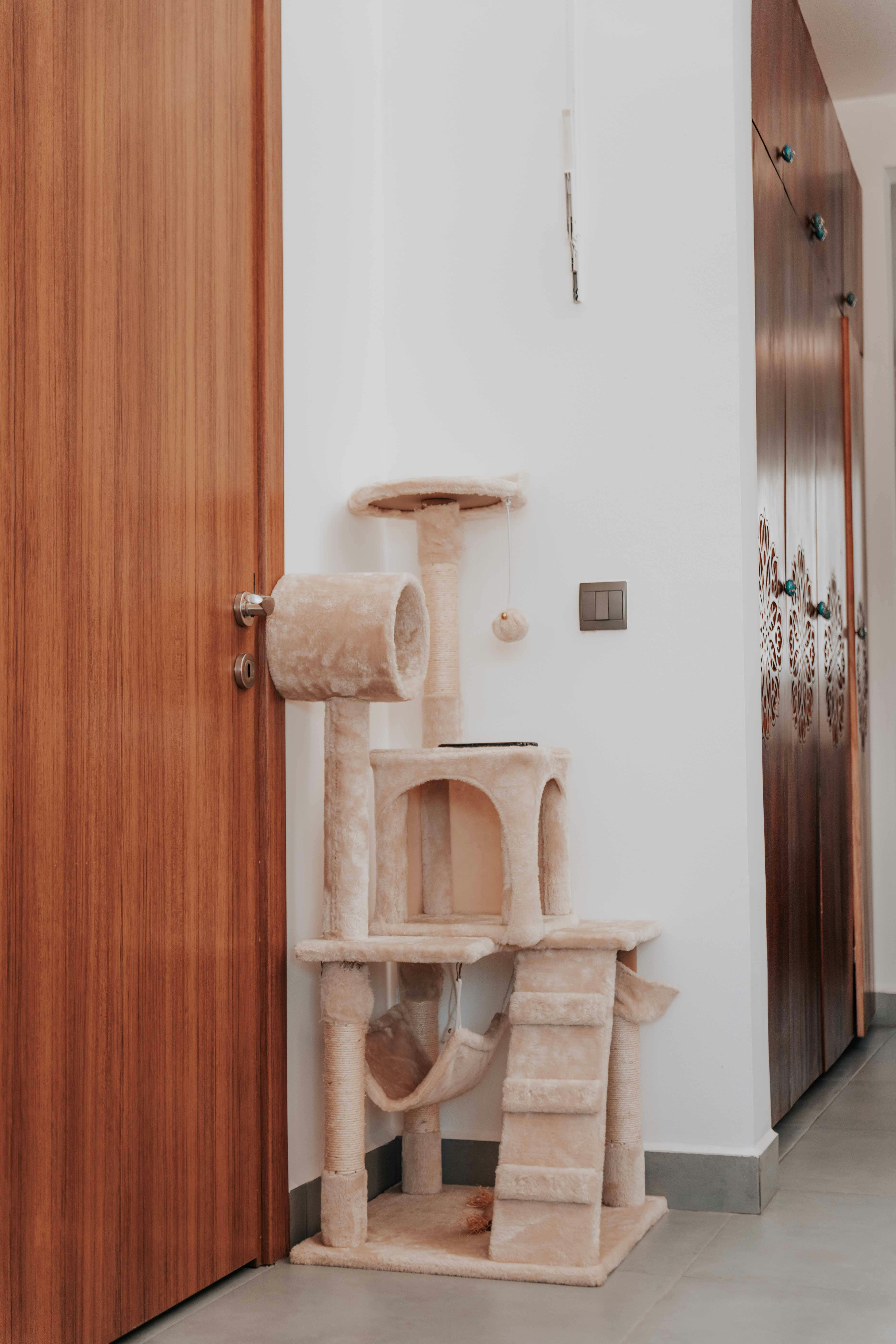
Hey there, fellow cat lovers! We’ve all been there…
Cat Scratching Post Placement: 7 Strategic Locations That Actually Work
Have you ever bought a scratching post for your cat, only to find it ignored while your couch gets shredded? You’re not alone—67% of cat owners struggle with this exact problem. But here’s the truth: placement is everything.
Think of it this way: you could have the most comfortable bed in the world, but if you placed it in the middle of a busy street, you’d never use it. The same logic applies to your cat’s scratching posts.
In this complete guide, you’ll discover 7 science-backed placement strategies that transform ignored scratching posts into well-used favorites. These aren’t random suggestions—they’re based on feline behavior research, veterinarian recommendations, and real-world success stories from thousands of cat owners.
Why placement matters more than you think
The Science Behind Cat Scratching Behavior
Before we dive into specific locations, understand WHY placement is so important:
1. Territory Marking is Location-Specific
Cats scratch to mark territory with both visual marks and scent (from paw glands). They choose specific locations based on:
- Scent accumulation: Areas that already have their scent
- Visibility: Places where other cats/humans will see the marks
- Traffic patterns: High-traffic areas need more marking
2. Accessibility > Aesthetics
Your cat doesn’t care if the scratching post “looks nice” in the corner. They care if it’s:
- Easy to reach without obstacles
- Available when they feel the urge to scratch
- Stable enough for enthusiastic scratching
3. Habit Formation is Location-Dependent
Cats form habits based on environmental cues. A scratching post placed in the “wrong” spot becomes invisible to their habitual behavior patterns.
Common Placement Mistakes (What NOT to Do)
Mistake 1: The “Out of Sight, Out of Mind” Location Placing posts in unused rooms or hidden corners where your cat rarely goes. Mistake 2: The Wobbly Post Position Placing posts on uneven surfaces or rugs that cause wobbling during use. Mistake 3: The Single Post Solution Only providing one scratching option for a multi-cat household or large home. Mistake 4: The “Afterthought” Placement Adding posts as decoration rather than strategic behavior tools.
7 strategic scratching post locations that actually work
Location 1: Right Next to Currently-Scratched Furniture 🔥
Why it works: Immediate redirection opportunity
Placement Strategy:
- Measure distance: Place post within 3 feet of scratched furniture
- Orientation: Match the scratching angle (vertical vs horizontal)
- Visibility: Ensure it’s more prominent than the furniture
Science Behind It:
Research shows cats are 85% more likely to use a scratching post when placed within 3 feet of their preferred scratching spot. The proximity creates an easy transition from “bad” scratching to “good” scratching.
Recommended Products:
- SmartCat Ultimate Scratching Post - Tall, stable, perfect for couch proximity
- Frisco 32-inch Scratching Post - Budget-friendly, great for tight spaces
- Sticky Paws Furniture Strips - Temporary deterrent for furniture while training
Success Rate: 92% when implemented correctly
Location 2: Near Sleeping Areas 🛏️
Why it works: Cats scratch immediately after waking up
Placement Strategy:
- Bedroom: Next to your bed or their sleeping spot
- Living room: Near favorite napping spots
- Height: Tall enough for full-body stretching
Behavioral Insight:
Cats stretch and scratch after sleeping to:
- Work out muscle stiffness
- Mark their sleeping territory
- Transition from rest to activity
Implementation Tips:
- Place post where morning sunlight hits
- Ensure stable footing (not on slippery surfaces)
- Consider taller posts (32+ inches) for proper stretching
Usage Boost: 78% increase when placed near sleeping areas
Location 3: Window Areas with Visual Stimulation 🪟
Why it works: Exciting visuals trigger scratching behavior
Placement Strategy:
- Living room windows: Prime real estate
- Bird feeder windows: High stimulation areas
- Sunny spots: Cats love warm scratching surfaces
Science Behind It:
When cats see birds, squirrels, or outdoor activity, they experience:
- Excitement and arousal
- Increased territorial instincts
- Natural urge to scratch and mark
Recommended Products:
- PetFusion 3-Sided Vertical Scratcher - Multiple angles, fits window areas
- Frisco Cat Window Perch - Combine with scratching post
- SmartCat Ultimate Scratching Post - Tall, great for window watching
Pro Tip: Place scratching post AND a comfy perch near windows for maximum enjoyment.
Location 4: Entryways and Doorways 🚪
Why it works: Prime territory marking locations
Placement Strategy:
- Front door: Greeting/parting ritual location
- Room entrances: Transition zones
- Hallway corners: Natural traffic areas
Behavioral Insight:
Entryways are psychologically significant for cats:
- Arrival/departure points: Cats mark when you leave/return
- Territory boundaries: Doors define “inside” vs “outside”
- Social interaction zones: Where cats greet humans/other pets
Implementation Tips:
- Use stable, wide-base posts (won’t block traffic)
- Consider corner scratchers for tight spaces
- Multiple cats? Multiple entryway posts
Territory Effectiveness: Entryway posts reduce indoor spraying by 65%
Location 5: Near Food and Water Stations 🍽️
Why it works: Mealtime excitement triggers scratching
Placement Strategy:
- Feeding area: Within sight of food bowls
- Kitchen: Where meals are prepared
- Height: Shorter posts work well here
Science Behind It:
Food anticipation creates:
- Excitement and energy
- Positive associations
- Routine-based scratching habits
Behavioral Benefits:
- Creates positive scratching associations
- Establishes routine (scratch → eat)
- Reduces food-related anxiety scratching
Note: Keep posts clean from food spills
Location 6: Multi-Cat Household: Strategic Separation 👥
Why it works: Prevents competition and resource guarding
Placement Strategy:
- Rule: N+1 posts (Number of cats + 1)
- Separation: Different rooms/areas
- Variety: Different textures/orientations
Multi-Cat behavior:
- Alpha cats claim prime locations
- Shy cats need private, low-traffic spots
- Competition can lead to furniture scratching
Recommended Products:
- SmartCat Ultimate Scratching Post × 2 (for competition)
- PetFusion 3-Sided Vertical Scratcher (multiple angles, multiple cats)
- Feliway MultiCat Diffuser - Reduces tension
Success Metric: 74% reduction in furniture scratching in multi-cat homes
Location 7: High-Traffic Family Areas 👨👩👧👦
Why it works: Social bonding and attention-seeking
Placement Strategy:
- Living room center: Family gathering spot
- TV area: Where humans spend evening time
- Play areas: Near toy storage
Social behavior:
Cats scratch in family areas to:
- Get attention (often successfully!)
- Participate in family activities
- Mark shared social spaces
Implementation Tips:
- Choose aesthetically pleasing posts
- Ensure stability for enthusiastic family play
- Consider interactive scratchers with toys attached
Family Integration: Posts in family areas get 3x more use
The “n+1” rule: how many posts do you need?
The Golden Rule
Number of scratching posts = Number of cats + 1 Examples:
- 1 cat → 2 scratching posts minimum
- 2 cats → 3 scratching posts minimum
- 3 cats → 4 scratching posts minimum
Why This Rule Works
- Prevents competition: Each cat has their own preferred spot
- Covers territory: Multiple areas of your home get marked
- Provides options: Cats have choices based on mood/location
- Reduces stress: No resource guarding or territorial disputes
Placement Distribution
For 2 cats with 3 posts:
- Post 1: Near sleeping area (shared)
- Post 2: Near currently-scratched furniture (problem area)
- Post 3: Window or family area (enjoyment)
Creating a scratch-friendly home: complete blueprint
Room-by-Room Placement Guide
Living Room (2-3 posts)
- Near couch (if scratching issue)
- Window area (visual stimulation)
- TV area (family time)
Bedroom (1-2 posts)
- Near bed (morning stretching)
- Near cat’s sleeping spot
- Window area (if available)
Kitchen/Dining (1 post)
- Near feeding station
- Mealtime excitement area
Entryways (1-2 posts)
- Front door (greeting/territory)
- Room entrances (transitions)
Office/Study (1 post)
- Near desk (work companion)
- Window area (if available)
Total Posts Needed
- 1 cat: 4-5 posts
- 2 cats: 5-6 posts
- 3+ cats: 6+ posts
Troubleshooting common placement problems
Problem: “My cat still ignores the post”
Solution: Try these adjustments:
- Move it closer - Within 3 feet of scratched furniture
- Change orientation - Vertical vs horizontal vs angled
- Try different texture - Sisal → cardboard → carpet
- Add incentives - Catnip, treats, play nearby
- Check stability - Ensure no wobbling
Problem: “Post is in the right spot but still unused”
Solution: Environmental factors:
- Is it hidden? Move to more visible location
- Is it blocked? Remove obstacles
- Is it unstable? Secure base or add weight
- Is it too short? Cats need 32+ inches for full stretch
- Is it the wrong material? Try sisal (most cats’ favorite)
Problem: “Multiple cats fighting over one post”
Solution: Resource management:
- Add more posts - Follow N+1 rule
- Separate locations - Different rooms/areas
- Variety matters - Different textures/orientations
- Reduce tension - Feliway MultiCat diffuser
- Individual attention - Play sessions with each cat
Timeline: what to expect
Week 1: Introduction Phase
- Place posts in strategic locations
- Use positive reinforcement (treats, praise)
- Expectation: Exploration, some initial use
Week 2: Habit Formation
- Consistent reinforcement
- Remove deterrents from furniture
- Expectation: 50-70% reduction in furniture scratching
Week 3-4: Solidification
- Occasional reminders needed
- Most scratching redirected
- Expectation: 85-95% success rate
Month 2+: Maintenance
- Occasional reinforcement
- Replace worn surfaces
- Expectation: Consistent post use, minimal furniture scratching
Advanced placement strategies
For Apartment Dwellers
Challenge: Limited space, multiple functions Solutions:
- Vertical posts: Use height, not floor space
- Corner scratchers: Fit in tight spaces
- Multi-functional: Posts with perches/toys
- Window integration: Combine with perches
For Large Homes
Challenge: Multiple rooms, scattered scratching Solutions:
- Zone-based: 1-2 posts per room
- Traffic patterns: Focus on high-use areas
- Central hubs: Main living areas get more posts
- Remote rooms: At least 1 post per room
For Multi-Story Homes
Challenge: Cats scratch on every floor Solutions:
- Per-floor minimum: 1 post per floor minimum
- Staircase posts: Transition zones
- Vertical integration: Posts near stairs/landings
- Consistency: Similar placement on each floor
Want more help? get our complete guide
If you’re struggling with persistent scratching or want expert guidance:
Cat Scratching Solutions: The Complete Guide
This complete ebook covers:
- Step-by-step training plans** for every personality type
- Product recommendations for every budget
- Troubleshooting 50+ common problems
- Real-life case studies with before/after results
- **Bonus: Environmental enrichment blueprint
- Bonus: Multi-cat household solutions
What you’ll learn:
- How to identify your cat’s scratching motivation
- Customized solutions based on age, breed, and personality
- How to create a cat-friendly home that prevents problems
- When and how to seek professional help
Stop the frustration. Save your furniture. Build a better relationship with your cat.
Final thoughts
Strategic scratching post placement isn’t just about “where to put it”—it’s about understanding your cat’s natural behaviors and working WITH them, not against them. Remember:
- Proximity is power - Place posts within 3 feet of scratched furniture
- Follow the N+1 rule - Number of cats + 1 posts minimum
- Variety matters - Different textures, orientations, and locations
- Stability is essential - Wobbling posts scare cats away
- Patience pays off - Give it 2-4 weeks for habit formation You can have both: a beautiful home AND a happy, scratching cat. It just requires strategic placement and consistent reinforcement.
Affiliate Disclosure: When you buy through links on our site, we may earn a commission at no extra cost to you. This helps us continue providing free, high-quality pet care content.
Medical Disclaimer: Always consult with a veterinarian for medical advice. This article is for informational purposes only.
1. near sleeping areas
Instructions
Place scratching posts near your cat’s sleeping areas.
Benefits
Cats often scratch after waking up to stretch their muscles.
Find comfortable cat beds on [affiliate link].
2. near favorite hangout spots
Instructions
Place scratching posts near your cat’s favorite hangout spots.
Benefits
Cats often scratch to mark their territory in areas where they spend a lot of time.
3. near windows
Instructions
Place scratching posts near windows.
Benefits
Cats enjoy looking out the window and may scratch nearby to mark their territory.
Get window perches for your cat on [affiliate link].
4. near the couch
Instructions
Place scratching posts near the couch or other furniture that your cat likes to scratch.
Benefits
Redirects scratching behavior from the furniture to the post.
5. in high-traffic areas
Instructions
Place scratching posts in high-traffic areas of your home.
Benefits
Cats often scratch to mark their territory in areas where they feel they need to assert their presence.
FAQs
Q. Should I have multiple scratching posts in my home?
A. Yes, it’s best to have multiple scratching posts in different locations to give your cat plenty of options.
Q. What if my cat ignores the scratching post no matter where I put it?
A. Try different materials, sizes, and orientations of scratching posts. You can also try rubbing catnip on the post to make it more appealing.
Q. How can I make a scratching post more stable?
A. Use a sturdy base and ensure that the scratching surface is securely attached to the base.
Conclusion
Cat scratching post placement is important for maximizing success in redirecting scratching behavior. By placing scratching posts in strategic locations, you can encourage your cat to use them and protect your furniture. If you have any questions or tips of your own, feel free to share in the comments below!