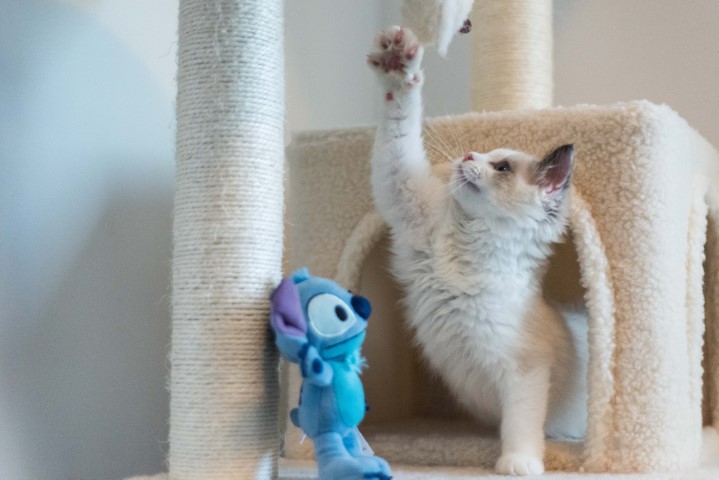
Cat Playtime Guide
Cats need play—just like dogs do. Here’s how to meet their needs.
Why Play Matters
Physical Health
- Burns calories
- Maintains muscle tone
- Improves coordination
- Reduces obesity risk
Mental Health
- Prevents boredom
- Reduces stress
- Satisfies hunting instinct
- Prevents behavioral problems
Behavioral Benefits
- Less destructive behavior
- Reduced aggression
- Less midnight zoomies
- Better sleep patterns
How Much Play?
- Kittens: 4-6 sessions daily (15-20 min total)
- Adults: 2-3 sessions daily (20-30 min total)
- Seniors: 2 sessions daily (adjust intensity)
Best Playtimes
- Morning (before you leave for work)
- Evening (before dinner)
- Before bed (burn off energy)
Interactive Play (Best)
Wand Toys
- Satisfy hunting instinct
- Best bond-building activity
- Let cat “catch” periodically
- Keep stored away between sessions
Laser Pointer Caution
- Cats can become frustrated without “catch”
- Always end with tangible treat
- Never point at eyes
- Supplement with object play too
Solo Play Options
- Battery-operated mice
- Catnip toys
- Puzzle feeders
- Paper bags and boxes
- Crinkle tunnels
- Automated toys
Signs Your Cat Needs More Play
- Biting or attacking ankles
- Midnight hyperactivity
- Excessive meowing
- Destructive behavior
- Eating when bored
- Over-grooming
Making Playtime Fun
- Move toys like prey (erratic, not steady)
- Let cat “win” sometimes
- End on a positive note
- Rotate toys to prevent boredom
- Make hunting challenging but achievable