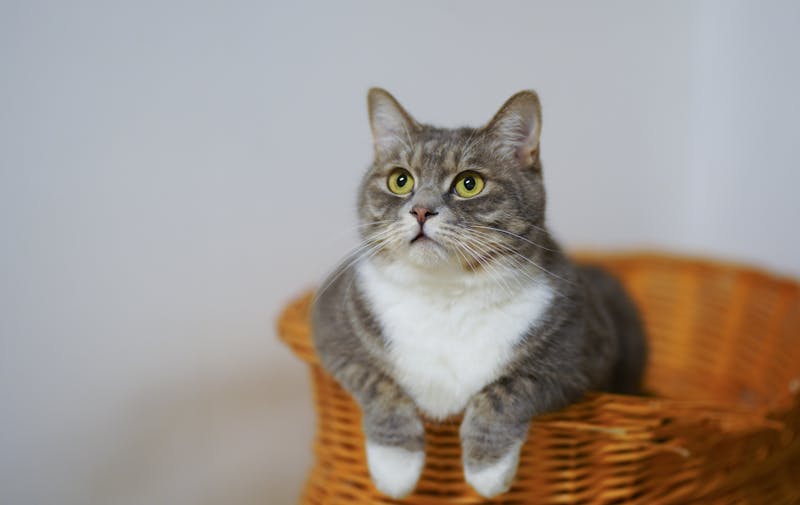
Nothing frustrates a cat owner quite like finding urine on the carpet or discovering your cat has been using a corner of the bedroom instead of their litter box. Litter box problems are one of the most common complaints veterinarians hear, and unfortunately, they’re also a leading reason cats end up surrendered to shelters.
The good news? Most litter box issues have identifiable causes and workable solutions. Whether your cat has suddenly stopped using their box or has never been consistent, understanding the root causes is your first step toward fixing the problem.
Medical causes come first
Before assuming your cat is being stubborn or spiteful, rule out medical issues. Cats are masters at hiding illness, and litter box changes often signal health problems requiring immediate attention.
Urinary tract infections cause painful urination that cats associate with the litter box. Rather than endure the pain, they’ll seek softer alternatives like rugs or bedding. Bladder stones and crystals create similar discomfort and urgency. Kidney disease, diabetes, and hyperthyroidism all increase urination frequency, sometimes overwhelming your cat before they reach the box.
If you notice your cat straining, crying in the litter box, producing small amounts of urine frequently, or showing blood in their urine, call your veterinarian immediately. Male cats especially can develop life-threatening urinary blockages requiring emergency treatment.
Litter preferences matter more than you think
Cats have strong opinions about their bathroom setup, and those preferences can change suddenly. What worked fine for years might suddenly become unacceptable to your feline friend.
Scented litters often repel cats even if humans appreciate the fragrance. Your cat’s sensitive nose finds artificial scents overwhelming. Texture changes can also trigger avoidance. Switching from fine-grain to pellet-style litter or vice versa might seem minor to you, but it feels completely different under sensitive paw pads.
Depth matters too. Some cats prefer shallow litter they can easily dig through, while others like several inches for burying waste completely. If you’ve changed brands or the manufacturer reformulated their product, your cat might be telling you something isn’t right.
Experiment by offering multiple boxes with different litter types side by side. Your cat will quickly show you their preference.
Box location and accessibility
Would you want to use a bathroom in a busy hallway with no privacy? Neither does your cat. Litter box placement significantly impacts usage.
High-traffic areas make cats feel vulnerable. They need to feel safe while in a defenseless position. Laundry rooms seem convenient but the noise from washers and dryers can startle cats mid-business. Basements might be too far away for elderly cats or kittens with small bladders.
If you live in a multi-story home, place at least one box on each level. Senior cats with arthritis may struggle with boxes requiring them to climb stairs repeatedly. Covered boxes provide privacy but can trap odors that sensitive noses find offensive.
Cleanliness standards
Cats are fastidious creatures. A dirty litter box is like a neglected public restroom to them. If the box smells unpleasant, they’ll find cleaner alternatives.
Daily scooping is non-negotiable for most cats. Remove solid waste and urine clumps every single day. Complete litter changes should happen every one to two weeks depending on usage. Monthly washing of the actual box removes absorbed odors and bacterial buildup that daily scooping misses.
Use mild, unscented soap when washing the box. Harsh chemicals leave residues that deter cats. If your box has scratches where bacteria hide, consider replacing it entirely.
Stress and environmental changes
Cats thrive on routine, and disruptions to their environment often manifest as litter box issues. Moving to a new home, introducing new pets, schedule changes, or even rearranging furniture can trigger stress responses.
New pets in the household might block access to the litter box or create territorial anxiety. Construction noise, fireworks, or neighborhood cats visible through windows can all cause stress that affects bathroom habits.
Consider using pheromone diffusers like Feliway to create a calm environment. Vertical space in the form of cat trees gives cats safe retreats when feeling overwhelmed. Maintaining consistent feeding and play schedules also helps reduce anxiety.
The box itself might be the problem
Not all litter boxes are created equal, and cats have surprisingly specific preferences about their bathroom facilities.
Size matters more than most people realize. Your cat should be able to turn around comfortably and dig without touching the sides. Many commercial boxes are too small for adult cats. Entry height challenges kittens, senior cats, and those with mobility issues. If your cat hesitates at the entrance or seems to struggle getting in, try a box with lower sides.
Covered versus uncovered is a personal cat preference. Some love the privacy; others feel trapped. If you’ve recently switched styles, that might explain sudden avoidance. Try removing the lid to see if usage improves.
Plastic boxes absorb odors over time. If yours is more than a year old, it might smell fine to you but offensive to your cat’s superior nose. Replacement might solve mysterious avoidance issues.
When to seek professional help
If you’ve addressed environmental factors and your cat continues having problems, professional support might be necessary.
Veterinary behaviorists specialize in litter box issues and can identify subtle triggers you might miss. Certified cat behavior consultants offer practical solutions based on your specific situation. Your regular vet can prescribe anti-anxiety medications for severe stress-related cases.
Sometimes the issue combines medical and behavioral components requiring coordinated treatment. Don’t give up on your cat. Most litter box problems have solutions once you identify the underlying cause.
Preventing future problems
Once you’ve resolved current issues, prevent recurrence through consistent habits. Stick with litter your cat likes rather than chasing sales on unfamiliar brands. Maintain cleaning schedules religiously. Watch for early warning signs like increased trips to the box or hesitation before entering.
Multiple boxes remain essential for multi-cat households even if everyone seems to get along. Cats sometimes develop temporary preferences for different locations, and options prevent territorial disputes.
Litter box problems test even patient cat owners, but remember that your cat isn’t being difficult on purpose. They’re communicating discomfort or distress. With patience, observation, and appropriate adjustments, most cats return to reliable litter box habits.
As an Amazon Associate, ForPetsWithLove earns from qualifying purchases. We only recommend products we trust. Always consult your veterinarian for medical concerns regarding your pet.