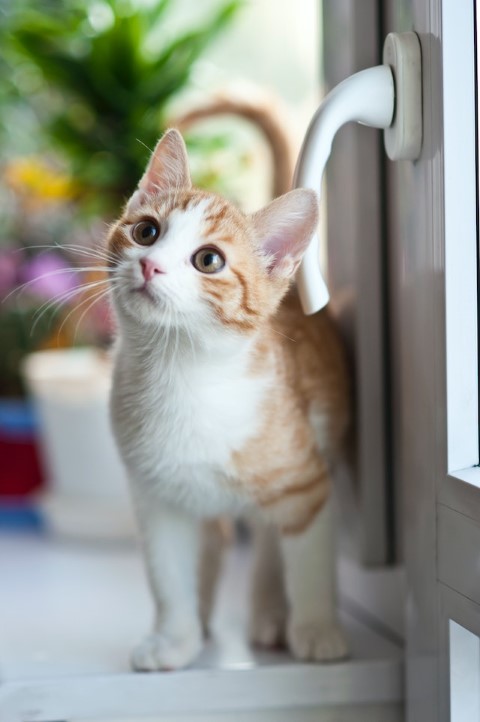
You know the sound—that distinctive retching that sends you scrambling for paper towels while hoping your cat aims for tile rather than carpet. Hairballs might seem like an inevitable part of cat ownership, but they don’t have to be a weekly (or daily) occurrence.
Understanding why hairballs form and applying proven remedies significantly reduces vomiting episodes while keeping your cat comfortable and your floors clean. The most effective approaches combine multiple strategies rather than relying on a single magic solution.
Understanding hairball formation
Hairballs form through a natural process that occasionally goes wrong. Understanding the mechanics helps you prevent problems at the source.
Your cat’s tongue features backward-facing barbs called papillae—perfectly designed for removing meat from bones but equally effective at trapping loose fur during grooming. This fur travels down the throat into the stomach, where most passes normally through the digestive tract and exits in feces.
Trouble develops when hair accumulates faster than the digestive system processes it. Long-haired breeds face obvious challenges with greater fur volume, but excessive shedding, seasonal coat changes, or compulsive over-grooming cause problems even for short-haired cats.
Stomach contractions eventually expel accumulated hair through vomiting when the mass becomes too large to pass into the intestines. This elimination method works but causes discomfort and potential esophageal irritation with repeated episodes.
Regular grooming as primary prevention
Preventing hair ingestion at the source remains the most effective hairball remedy, making grooming the foundation of any prevention strategy.
Daily brushing removes loose hair before your cat’s tongue collects it. Slicker brushes with fine metal bristles work well for most coat types, reaching through topcoat to remove undercoat shedding. Deshedding tools like the Furminator dramatically reduce loose hair during seasonal shedding periods.
Long-haired cats need section-by-section brushing to reach all layers. Mat-prone areas like behind ears, under arms, and along the back legs require extra attention. Professional grooming every few months helps manage cats whose coats become unmanageable between home sessions.
Wipe-downs with damp cloths after brushing capture remaining loose hair. Some cats tolerate pet grooming gloves that combine brushing with bonding time.
Dietary fiber solutions
Fiber helps move swallowed hair through the digestive system before it accumulates into problematic clumps.
Hairball control formulas contain increased fiber blends specifically designed to aid passage. These foods combine soluble and insoluble fibers that bind hair and add bulk to stimulate intestinal movement. Pumpkin puree (plain, not pie filling) added to food provides gentle fiber supplementation many cats tolerate well.
Wet food generally helps more than dry kibble alone because the moisture aids overall digestive transit. Psyllium husk sprinkled over food provides additional fiber, though introduce gradually to avoid digestive upset.
Transition dietary changes slowly over 7-10 days. Sudden food changes cause vomiting and diarrhea that compound rather than solve hairball problems.
Lubricating remedies and gels
Petroleum-based and vegetable oil products coat hair masses, allowing easier passage through the digestive tract.
Hairball gels and pastes containing petroleum jelly or mineral oil lubricate accumulated hair. Most cats accept these readily due to flavored formulations. Malt-flavored pastes prove particularly palatable to feline taste preferences.
Dosing frequency varies by product and individual needs—some cats need daily administration during heavy shedding, others weekly maintenance. Follow package directions and veterinary guidance rather than guessing amounts.
Important safety note: Never give straight mineral oil to cats. Unlike thickened gels, liquid mineral oil travels easily down the windpipe into lungs, causing aspiration pneumonia. Only use products specifically formulated for cats.
Hydration importance
Proper hydration keeps the entire digestive system functioning smoothly, including hair passage through the intestines.
Wet food provides significant moisture cats often don’t drink voluntarily. Water fountains encourage increased drinking through flowing water appeal. Multiple water stations throughout the home ensure accessibility.
Broth additions to food increase moisture intake while adding flavor. Ice cubes in water or as treats engage some cats in additional water consumption through licking.
Dehydrated cats develop sluggish digestion where hair accumulates rather than passing efficiently. Monitoring and encouraging adequate water intake supports hairball prevention indirectly.
Addressing over-grooming behaviors
Some cats groom excessively, swallowing far more hair than normal and dramatically increasing hairball formation.
Stress and anxiety commonly trigger compulsive grooming. Environmental enrichment—toys, climbing spaces, interactive play—reduces anxiety-driven behaviors. Pheromone diffusers like Feliway create calming atmospheres for anxious cats.
Skin conditions causing itchiness also increase grooming. Flea allergies, food sensitivities, and dry skin all prompt excessive licking that worsens hairball issues. Treating underlying conditions reduces grooming behavior.
Boredom drives some cats to groom as occupation. Scheduled play sessions redirect energy toward appropriate activities while reducing excessive hair consumption.
Exercise and digestive health
Physical activity stimulates healthy digestive motility, helping hair move through rather than stagnating.
Regular play sessions engage your cat’s natural movements and intestinal function. Chase toys and interactive play that gets your cat running, jumping, and rolling promotes overall health including digestion.
For overweight or sedentary cats, gradual increases in activity improve digestive efficiency. Consult your veterinarian about appropriate exercise levels if your cat has health limitations.
Natural remedies worth trying
Several natural supplements support digestive health and may aid hairball management.
Omega fatty acid supplements improve coat health, potentially reducing shedding. Coconut oil in small amounts may help lubricate the digestive tract, though introduce slowly as it causes diarrhea in some cats.
Probiotics support healthy gut bacteria populations that aid overall digestion. Digestive enzymes help break down food more completely, though benefits specifically for hairballs remain unproven.
Discuss supplements with your veterinarian, especially if your cat takes medications or has health conditions.
When hairballs signal serious problems
While occasional hairballs are normal, certain patterns indicate underlying health issues requiring veterinary attention.
Frequency matters: Weekly or daily hairballs suggest excessive shedding, over-grooming, or medical problems rather than normal physiology. Age changes: New onset hairballs in older cats may indicate illness rather than “just getting older.”
Accompanying symptoms—weight loss, appetite changes, lethargy, diarrhea, constipation, or straining—indicate disorders beyond simple hair accumulation. Failed passage where your cat repeatedly vomits without producing a hairball suggests obstruction concerns.
Blood in vomit or stool, unusual vomiting patterns, or behavioral changes accompanying hairballs all warrant veterinary examination. Don’t dismiss these as “just hairballs.”
Long-haired breed considerations
Persians, Maine Coons, Ragdolls, and other long-haired breeds face particular hairball challenges requiring intensified prevention efforts.
Double-coated breeds shed significant undercoat that tangles and mats if not removed through grooming. Daily brushing becomes essential rather than optional for these cats. Professional grooming including sanitary trims reduces hair volume in trouble areas.
Consider “lion cuts” during hot months or heavy shedding seasons. Shaving the body while leaving head, paws, and tail fluff dramatically reduces shedding and hairball formation while keeping cats comfortable.
Owners of long-haired breeds often need more aggressive dietary approaches and grooming schedules than short-haired cat strategies suggest.
Creating a hairball management plan
Effective hairball control combines multiple strategies customized to your cat’s specific situation.
Assess severity: Occasional monthly hairballs need less intervention than weekly episodes. Identify triggers: Seasonal shedding periods, stress events, or dietary changes might explain timing patterns. Implement grooming: Daily brushing forms the foundation regardless of other measures.
Dietary modifications provide additional support—fiber increase, wet food addition, or specialized formulas. Lubricating products serve as needed supplements during high-risk periods. Environmental changes address stress or boredom contributing to over-grooming.
Monitor results and adjust approaches. What works for one cat may fail for another. Patience and persistence eventually find the right combination for your situation.
Remember that hairballs represent a symptom of incomplete hair passage through the digestive system. The goal isn’t eliminating all hairballs forever—it’s preventing frequent episodes that cause discomfort while maintaining your cat’s overall health and happiness.
As an Amazon Associate, ForPetsWithLove earns from qualifying purchases. We only recommend products we trust. Consult your veterinarian if your cat experiences frequent hairballs, especially with accompanying symptoms like appetite loss or lethargy.