Cat Grooming Guide for Long-Haired Breeds
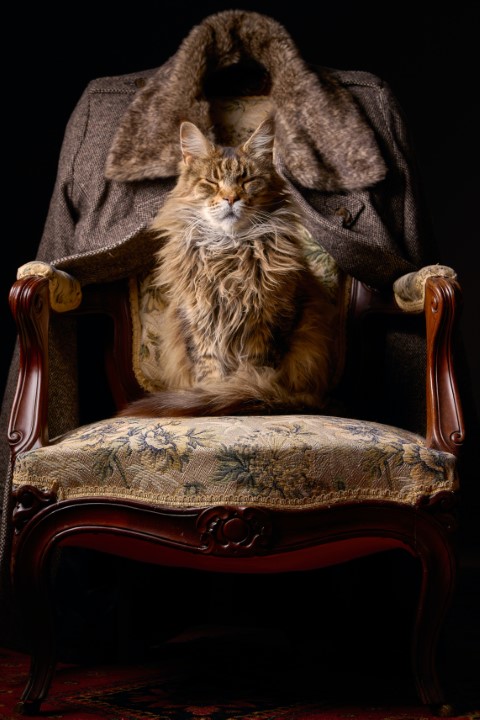
Cat Grooming Guide for Long-Haired Breeds: Complete Guide
Why Long-Haired Cats Require Special Grooming Considerations
Long-haired cat breeds—Persians, Maine Coons, Ragdolls, Himalayans, Norwegian Forest Cats, Siberians, and others—are absolutely stunning, but that beautiful, flowing coat comes with significant grooming responsibilities. Unlike short-haired cats who can largely maintain their coats with minimal help, long-haired cats cannot effectively self-groom their entire dense coats. Their tongues simply cannot reach and clean the dense undercoat and guard hair thoroughly throughout their bodies. Without regular human assistance, this leads to matting, painful tangles, excessive shedding, and severe hairballs that can cause life-threatening intestinal blockages.
The matting problem is particularly serious. As loose fur tangles together, these mats compress tightly against the skin, causing pain, restricting movement, potentially hiding injuries, and creating environments where bacteria and parasites thrive. Mats pull painfully on the cat’s sensitive skin each time they move, and in severe cases, mats can actually cut off circulation in affected areas. Once mats develop beyond a certain point, they cannot be brushed out and must be shaved off by a professional groomer or veterinarian, leaving the cat embarrassed and uncomfortable with a temporary “lion cut” appearance.
Another critical concern specific to long-haired cats is hairball formation. Because they groom themselves constantly, ingesting loose fur, and because their long fur is more likely to form problematic clumps in the digestive tract, long-haired cats are prone to severe hairball issues. While occasional hairballs are normal for any cat, frequent vomiting of hairballs, large or hard hairballs, or symptoms like coughing, gagging, or loss of appetite indicate potentially dangerous intestinal blockages requiring immediate veterinary attention. Regular grooming significantly reduces the amount of loose fur available for ingestion.
Top Tips for Grooming Long-Haired Cat Breeds
Establish Daily Grooming Routine - Long-haired cats ideally require brushing every day, or at minimum several times per week. Consistency is crucial because small tangles that form quickly become difficult mats within days. Daily sessions should be short (5-10 minutes) and pleasant for both cat and owner. Start during kittenhood if possible, but adult cats can learn to enjoy (or at least tolerate) grooming with patience and positive associations. Better brief daily brushing than occasional long, difficult sessions that stress both cat and owner.
Use the Right Tools for Each Coat Area - Different areas of a long-haired cat’s coat require different grooming tools. A wide-pin slicker brush works well for the main body, removing loose fur and preventing mats in the undercoat. A metal comb with both wide and narrow teeth is essential for finding and addressing small tangles before they become mats. A flea comb (fine-toothed) works excellently for checking around ears, tail base, and underarms where mats commonly form. Having the right tools for each specific area makes grooming significantly more effective and comfortable.
Address Mats Early and Gently - The moment you find even a small mat, address it immediately. Small tangles can often be worked out gently with fingers followed by careful brushing. For stubborn mats, use a mat splitter or dematting tool that cuts through the mat without pulling on the cat’s skin. Never pull or yank at mats—this causes pain and makes cats fearful of future grooming. If a mat is too tight or large to address safely at home, schedule a professional grooming appointment before it becomes an emergency.
Pay Special Attention to Trouble Zones - Long-haired cats have specific areas where mats develop most rapidly: behind ears (where saliva during self-grooming wet the fur), under the tail and around the tail base, underarms (armpits), between toes, and under the chin. Check these areas daily or at minimum several times per week, using your fingers to feel for small tangles before they’re visible. These areas are often missed during general body brushing but are where mats cause the most discomfort and often require professional attention.
Include Positive Reinforcement and Bonding Time - Transform grooming from a chore into bonding time. Use treats, petting, praise, and gentle attention during and after grooming sessions. Stop before your cat becomes frustrated or stressed, even if you haven’t finished everything you planned. Make the experience as pleasant as possible rather than rushing or forcing completion. Many cats eventually come to enjoy grooming as special attention from their humans, especially when associated with treats and affection.
Common Mistakes to Avoid
Neglecting the Undercoat - Long-haired cats have dense undercoats separate from the longer guard hairs that people see and admire. This undercoat is where loose fur accumulates and where mats often begin forming. Many owners brush only the surface, leaving the undercoat neglected. Use a shedding rake, undercoat rake, or Furminator specifically designed to reach and remove loose undercoat fur without damaging the guard hairs. Regular undercoat attention dramatically reduces shedding and matting throughout the entire coat.
Ignoring Seasonal Coat Changes - Long-haired cats undergo significant coat changes seasonally—typically shedding heavily in spring and fall as their coats prepare for weather change. During these transition periods, matting risk increases dramatically as loose fur accumulates. Intensify grooming during seasonal sheds, sometimes requiring daily grooming and additional brushing sessions. Recognize seasonal coat changes and adjust your grooming frequency accordingly rather than maintaining the same routine year-round.
Bathing Without Proper Preparation - While occasional baths can help maintain coat health, bathing a severely matted long-haired cat almost always worsens the problem. Water makes tight mats impossible to remove and can cause skin irritation in compressed areas. Always brush out all mats and tangles thoroughly before bathing, then brush again after the coat is completely dry. Many long-haired cat owners find that with consistent brushing, bathing is rarely necessary except for specific situations like skin conditions or when cats get into something dirty.
Using Incorrect or Poor-Quality Tools - Cheap or inappropriate grooming tools not only work poorly but can actually damage coat and skin. Tools with sharp edges or poorly spaced pins/teeth can cut fur or scrape skin. Brushes that are too harsh or used too aggressively remove healthy fur along with loose fur. Investing in quality tools designed specifically for long-haired cat coats pays off in effectiveness, comfort, and longevity. Professional groomers can recommend appropriate tools for your specific cat’s coat type.
Assuming Indoor Cats Don’t Need Grooming - Many owners believe indoor cats don’t need grooming because they’re not exposing their coats to outside dirt, tangles, or parasites. However, indoor long-haired cats still shed continuously, groom themselves constantly, and develop mats in underarm, tail, and ear areas from their own movements and self-grooming patterns. In fact, some indoor behaviors (excessive grooming from stress or boredom) can actually increase matting and hairball issues. Regular grooming is essential regardless of whether cats are indoor-only or go outside.
Essential Grooming Tools for Long-Haired Cats
- Wide-pin slicker brush: For daily coat brushing and removing loose fur
- Metal grooming comb: With both wide and narrow teeth for different coat areas
- Undercoat rake or shedding rake: For removing dense loose undercoat
- Dematting tool or mat splitter: For safely cutting through moderate mats
- Flea comb: Fine-toothed comb for checking ears, tail, and toe areas
- Stainless steel scissors: With rounded tips for trimming stubborn small mats
- Grooming wipes: For cleaning dirty areas without full bathing
- Detangling spray: Makes brushing easier and reduces static
- Quality treats: For positive reinforcement during grooming
- Comfortable grooming surface: Non-slip mat or towel for positioning cats
- Nail clippers designed for cats: For routine nail maintenance
- Ear cleaning solution and cotton pads: Gentle ear cleaning as needed
Step-by-Step Daily Grooming Routine
Preparation Phase (2-3 minutes)
Create comfortable environment - Choose a quiet, distraction-free area where your cat feels safe. Place a non-slip mat or towel on a firm surface (table, counter, or comfortable chair) that allows you easy access to your cat’s entire body.
Gather tools and treats - Have all necessary tools within easy reach so you don’t need to leave or search during the grooming session. Have treats ready to reinforce positive behavior and make the experience pleasant.
Position your cat correctly - Gently place your cat on the prepared surface, either standing or lying down in a comfortable position. Speak softly, pet gently, and give a treat before beginning to establish positive associations.
Body Brushing Phase (5-7 minutes)
Start with the head and neck - Use the grooming comb initially, using gentle strokes from head toward tail. Check behind ears carefully for small, saliva-wetted tangles that might be forming. Use fingers to gently work out any tangles found.
Work down the back and sides - Switch to the slicker brush, using gentle strokes following the natural direction of fur growth. Brush both sides thoroughly, watching for your cat’s reactions. If any area seems sensitive or painful, investigate for hidden mats or skin irritation.
Address underarms and belly - These tricky areas require extra attention and gentleness. Use the grooming comb initially, being very careful in the sensitive underarm areas where mats commonly form. Work gently to find and remove any small tangles.
Brush legs and tail - Use the grooming comb for legs and tail, following the direction of fur growth. Check between toes for fur that might be accumulating, as this can trap debris and cause discomfort when walking.
Detail Work and Special Areas (3-5 minutes)
Tail area inspection - Carefully check under and around the tail base for mats and hygiene issues. Long-haired cats, especially those with excess fur under their tails, sometimes need help keeping this area clean due to difficulty self-grooming.
Check between toes - Long-haired cats often have tufts of fur between their toes that can collect dirt, litter, and debris. Use the flea comb or grooming comb to carefully trim excess fur if needed, being very careful not to nip the sensitive toe pads.
Ear and chin check - Ears often have small tangles from saliva during self-grooming. Use fingers gently, then the flea comb if needed. Check under the chin for fur that might have gathered food or debris.
Final pass with grooming comb - Run the grooming comb through the entire coat from head to tail. This final pass catches any missed tangles and gives you an overall assessment of coat condition and grooming effectiveness.
Positive Reinforcement and Cleanup (2-3 minutes)
Reward and praise your cat - Give treats and enthusiastic praise, reinforcing that grooming is a positive experience. Pet and show affection during this transition period to maintain positive associations.
Clean tools properly - Remove all collected fur from brushes and combs after each use. This not only keeps tools effective but prevents spreading loose fur around your home. Clean tools periodically according to manufacturer instructions.
Note any concerns - If you found any new mats, skin issues, or abnormalities, note them in a simple log. This helps you track patterns and identify when professional veterinary or grooming consultation might be needed.
Weekly and Monthly Special Attention
Weekly Special Tasks
- Complete mat assessment - Use fingers to feel all over the cat’s body for any developing mats that might not be visible, paying special attention to underarms, tail base, and behind ears.
- Paw pad maintenance - Check paw pads for irritation, debris, or overgrown fur between toes. Trim fur carefully with cat-safe scissors if needed.
- Weight check - While grooming, assess your cat’s weight and body condition by feeling along the spine and ribs. Weight gain or loss affects grooming needs and overall health.
Monthly Special Tasks
- Nail trimming - Trim nails as needed, being careful not to cut into the quick (the pink area visible in lighter-colored nails). Use cat-specific nail clippers and have styptic powder available in case of accidental bleeding.
- Ear cleaning - Gently clean visible parts of ears using cat-safe ear cleaning solution and cotton pads. Never insert anything into the ear canal. Schedule veterinary attention if ears appear red, irritated, or produce unusual discharge.
- Dental check - Inspect teeth and gums for plaque, tartar, redness, or bad breath. Many long-haired breeds, especially Persians, are prone to dental issues. Regular veterinary dental care is essential.
FAQ: Long-Haired Cat Grooming
Q: How often should I brush my long-haired cat? A: Daily brushing is ideal for long-haired cats, or at minimum several times per week. The key is consistency before tangles develop into mats. Even 5-10 minutes daily is more effective than occasional long, stressful sessions. Many long-haired cat owners find that incorporating grooming into daily routines (like while watching TV) makes it feel less like a chore and more like bonding time. The less frequently you groom, the more difficult and lengthy each session becomes.
Q: Can mats actually cause health problems for my long-haired cat? A: Absolutely. Tight mats compress against skin, causing pain, restricting movement (especially underarms), pulling on sensitive tissues as the cat moves, and potentially trapping moisture that leads to skin infections. In severe cases, mats can actually cut off circulation in affected areas. Mats also hide potential injuries, parasites, or skin conditions from observation. Beyond causing discomfort and stress, mats can lead to veterinary problems that are completely preventable with regular grooming.
Q: How do I know when a mat is too serious to remove at home? A: Mats are too serious for home removal if they’re: tightly compressed against skin, very large (covering substantial body areas), located in sensitive areas (around genitals, anus, or eyes), causing pain when touched, or accompanied by signs of skin irritation, bleeding, or infection. If you cannot get your fingers between the mat and skin, or if pulling causes the cat significant distress, it’s time for professional help. Trying to remove serious mats yourself can cause injury and make cats fearful of grooming.
Q: Should I use electric clippers on my long-haired cat’s mats? A: Generally, no, unless you’re experienced with using cat grooming clippers. Human hair clippers or pet clippers used by inexperienced owners can easily cut or burn cat skin, especially when working over tight mats near sensitive areas. If mats are severe enough that they seem to require shaving, it’s best to have a professional groomer handle it. They have experience with cat anatomy, restraint, appropriate clipper technique, and can do it safely and quickly with minimal stress to your cat.
Q: How can I reduce hairballs in my long-haired cat? A: Regular grooming is the most effective hairball prevention because it removes loose fur before the cat can ingest it. Beyond brushing, consider hairball control cat food or supplements containing psyllium or other fiber that helps fur pass through the digestive tract. Some cats benefit from digestive enzymes or petroleum-based hairball remedies. Provide plenty of fresh water to aid digestion. However, if your cat is vomiting hairballs frequently, or if they’re large or hard, consult your veterinarian—this could indicate intestinal blockage requiring immediate attention.
Expert Tips for Long-Haired Cat Grooming Success
Start young, but it’s never too late - The best time to introduce grooming to a long-haired cat is during kittenhood when they’re naturally curious and adaptable. However, adult cats can learn to accept and even enjoy grooming with patience, consistency, and positive reinforcement. Expect initial resistance or stress when starting with adult cats, but persist gently. Always end grooming sessions on a positive note with treats and affection, even if you didn’t accomplish everything you hoped to accomplish that session.
Make grooming a bonding experience - Transform grooming from a chore to special time together with your cat. Use the opportunity for gentle petting, quiet conversation, and physical contact that many cats crave. Avoid rushing or becoming frustrated—both you and your cat will pick up on negative energy. Many long-haired cat owners find their cats actually solicit grooming attention by rubbing against their legs or bringing their brushes when they feel neglected.
Address underlying stress or anxiety - Some cats groom themselves excessively during times of stress, frustration, or boredom, which can actually increase matting and hairball problems. Provide plenty of environmental enrichment, interactive toys, climbing opportunities, and predictable routines. If your cat seems anxious or consistently over-grooms certain areas, this might indicate stress requiring environmental management or veterinary consultation for potential medical causes.
Keep your cat at healthy weight - Overweight cats have more difficulty self-grooming parts of their bodies, especially the rear and anal area. Excess weight also makes cats less flexible and less willing to engage in physical activities that help keep coats naturally managed. Obesity is extremely common in indoor cats and contributes significantly to grooming challenges. Work with your veterinarian to maintain your long-haired cat at an ideal weight through appropriate nutrition and exercise.
Consider professional grooming when needed - There’s no shame in seeking professional grooming help, especially for difficult mats, elderly cats, or cats who strongly resist home grooming. Professional groomers have experience, appropriate equipment, and can complete difficult grooming tasks quickly with minimal stress. Some long-haired cat owners schedule regular (every 8-12 weeks) professional grooming appointments for thorough maintenance that complements daily home brushing. This partnership ensures their cat’s coat remains healthy and mat-free.
Keep your long-haired beauty healthy and mat-free
Our Cat Care Guide includes breed-specific grooming schedules, mat removal techniques, hairball prevention strategies, and troubleshooting guidance for common grooming challenges. Learn to master long-haired cat care with expert guidance designed for Persian, Maine Coon, Ragdoll, and all other long-haired breeds.