faq:
- question: “Which scratching material do cats prefer most?” answer: “Most cats prefer sisal rope over other materials. It provides the ideal combination of texture and resistance that cats find satisfying for scratching. However, individual preferences vary—some cats love cardboard, while others prefer carpet. The best approach is to offer variety and observe what your cat chooses most often.”
- question: “Is sisal better than cardboard for scratching posts?” answer: “Sisal is generally more durable and longer-lasting than cardboard, making it better for permanent scratching posts. However, cardboard is more affordable and many cats find it incredibly appealing. For the best results, provide both—sisal for long-term use and cardboard for variety and occasional replacement.”
- question: “Why do cats like cardboard scratchers so much?” answer: “Cats love cardboard because it offers a unique texture that’s satisfying to scratch. The corrugated texture provides good resistance, and cardboard is soft enough to be gentle on claws while still being effective for removing dead nail sheaths. Plus, cardboard scratchers are often infused with catnip, making them even more appealing.”
- question: “Is carpet a good material for scratching posts?” answer: “Carpet can be confusing for cats because it’s the same material as your flooring. Cats may have trouble distinguishing between appropriate carpet scratching on a post and inappropriate carpet scratching on your floor. However, some cats do enjoy carpet-covered posts, especially if the carpet texture differs from your flooring.”
- question: “How long do different scratching materials last?” answer: “Sisal is the most durable and can last 1-2 years with regular use. Cardboard typically lasts 2-6 months depending on use intensity. Carpet-covered posts vary widely but generally last 6-12 months. The lifespan also depends on your cat’s scratching habits and the quality of the material.”
- question: “Can I combine different scratching materials?” answer: “Absolutely! In fact, providing variety is ideal. Some scratching posts combine multiple materials—sisal on one side, cardboard on another, or different textures on different levels. This gives your cat options and helps prevent boredom. Multi-material posts are excellent for satisfying different scratching preferences.” howto:
- name: “Observe Your Cat’s Preferences” text: “Watch which materials your cat chooses most often when given options”
- name: “Provide Variety” text: “Offer different materials in different locations throughout your home”
- name: “Consider Durability Needs” text: “Choose more durable materials like sisal for heavy scratchers”
- name: “Match Material to Location” text: “Use different materials for different purposes and rooms”
- name: “Replace Worn Materials” text: “Refresh scratching surfaces when they become too smooth or damaged” products:
- name: “SmartCat Ultimate Scratching Post” price: “49.99” currency: “USD” url: “https://www.amazon.com/dp/B0006N9I5M?tag=forpetswith07-20" image: images/smartcat-scratching-post.jpg
- name: “PetFusion 3-Sided Vertical Scratcher” price: “34.99” currency: “USD” url: “https://www.amazon.com/dp/B00J4I6J2I?tag=forpetswith07-20" image: images/petfusion-scratcher.jpg
- name: “Frisco Cardboard Cat Scratcher with Catnip” price: “19.99” currency: “USD” url: “https://www.amazon.com/dp/B07Z5K5Q3V?tag=forpetswith07-20" image: images/frisco-cardboard-scratcher.jpg
Best Scratching Materials: Sisal vs Cardboard vs Carpet
Walk down the cat aisle at any pet store, and you’ll find scratching posts covered in all sorts of materials—sisal rope, cardboard, carpet, fabric, and more. Each material claims to be the best, but how do you know which one your cat will actually use?
The truth is, different cats prefer different scratching materials, just as humans have different preferences for textures and surfaces. What one cat finds irresistible, another might completely ignore. Understanding the characteristics of each material can help you make informed choices and provide options that appeal to your individual cat.
Let’s explore the three most common scratching materials—sisal, cardboard, and carpet—and help you determine which might be best for your feline friend.
Sisal: The gold standard
What is sisal?
Sisal is a natural fiber derived from the agave plant. It’s twisted into rope or woven into fabric, then used to cover scratching posts and pads. Sisal has been the go-to material for cat scratching products for decades, and for good reason.
The texture of sisal is rough and fibrous, providing excellent resistance when cats scratch. It’s durable enough to withstand enthusiastic scratching while still being gentle enough on claws. This combination makes it nearly ideal for scratching surfaces.
Why cats love sisal
Most cats find sisal incredibly satisfying to scratch. The rough texture catches claws perfectly, allowing cats to dig in and pull with just the right amount of resistance. This resistance is what makes scratching feel good—it’s the tactile feedback cats seek.
Sisal also has a natural scent that many cats find appealing. While humans might not notice it, cats have much more sensitive noses and can detect the subtle earthy aroma of natural fibers.
Durability and longevity
One of sisal’s biggest advantages is its durability. A well-made sisal scratching post can last 1-2 years or even longer with regular use. The fibers are tough and resist fraying, even under vigorous scratching.
When sisal does eventually wear down, it typically does so gradually. The surface becomes smoother over time rather than suddenly disintegrating. This gives you plenty of warning before you need to replace the post.
Maintenance considerations
Sisal is relatively low-maintenance. It doesn’t trap dirt and debris like some other materials, so it stays cleaner longer. You can vacuum sisal posts to remove loose fibers and dust, and occasionally wipe them down with a damp cloth.
One thing to note: sisal can absorb moisture, so avoid placing sisal posts in areas where they might get wet. A damp sisal post can develop mold or mildew, which would make it unappealing to your cat.
Ideal uses for sisal
Sisal is excellent for:
- Primary scratching posts that get daily use
- Tall vertical posts for full-body stretching
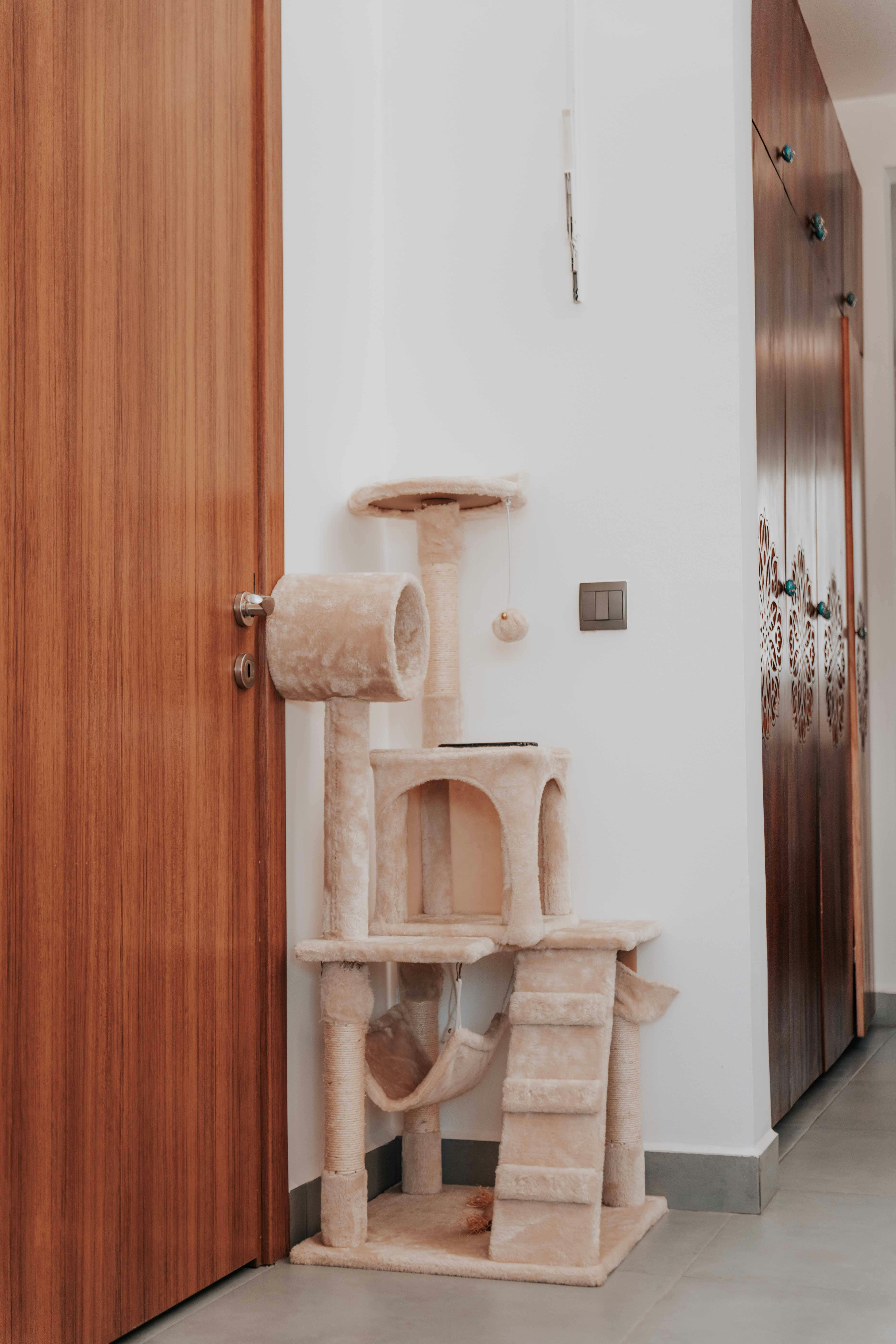
- Multi-level scratching trees
- Posts in high-traffic areas where durability matters
If you’re only going to invest in one high-quality scratching post, make it a sisal one. It’s the most versatile and universally appealing option available.
Cardboard: The affordable favorite
What makes cardboard special
Cardboard scratchers are typically made from corrugated cardboard arranged in layers or cut into shapes. The corrugated texture provides a unique scratching surface that many cats find irresistible.
Cardboard has a different feel than sisal—it’s softer and more yielding, yet still provides enough resistance for satisfying scratches. The texture is uniform and predictable, which some cats prefer over the more variable texture of natural fibers.
The cardboard appeal
Cats love cardboard for several reasons. The texture is satisfying to scratch, providing good resistance without being too harsh. The material is gentle on claws, making it comfortable for extended scratching sessions.
Many cardboard scratchers come infused with catnip, which adds to their appeal. Even without catnip, the cardboard itself has a mild scent that some cats find attractive.
Affordability and accessibility
One of cardboard’s biggest advantages is its affordability. Cardboard scratchers are typically much less expensive than sisal or carpet posts, making them accessible to every budget.
This affordability also means you can provide multiple cardboard scratchers throughout your home without breaking the bank. Having options in different locations increases the likelihood that your cat will use appropriate scratching surfaces.
Durability and replacement
Cardboard is less durable than sisal and typically needs replacement every 2-6 months, depending on use. The material gradually wears down and becomes smooth, losing its effectiveness as a scratching surface.
However, this shorter lifespan isn’t necessarily a drawback. The low cost makes replacement easy, and some cats actually enjoy having fresh cardboard surfaces periodically. It’s like getting a new toy every few months.
Environmental considerations
Cardboard is an environmentally friendly choice. It’s recyclable and biodegradable, making it a good option for environmentally conscious cat owners. Many cardboard scratchers are made from recycled materials, adding to their eco-friendly credentials.
When a cardboard scratcher wears out, you can recycle it or compost it, reducing waste. This sustainability is a significant advantage over synthetic materials.
Ideal uses for cardboard
Cardboard is perfect for:
- Supplemental scratching surfaces alongside primary posts
- Horizontal scratchers for cats who prefer floor-level scratching
- Temporary scratching solutions while training
- Multiple scratchers throughout your home
- Cats who are new to scratching posts and need encouragement
Cardboard and sisal work excellently together. Provide sisal for your main scratching needs and cardboard for variety and supplemental options.
Carpet: The familiar option
The carpet connection
Carpet-covered scratching posts have been around for a long time, and many cat owners have them in their homes. The logic makes sense—cats often scratch carpet, so covering a post in carpet should make it appealing.
However, this familiarity can actually be a disadvantage. When your carpet-covered post looks and feels like your actual carpet, your cat may have trouble distinguishing between appropriate and inappropriate scratching.
Texture and feel
Carpet provides a different scratching experience than sisal or cardboard. The texture is softer and less resistant, which some cats prefer. The fibers are more flexible, giving a different kind of tactile feedback.
The quality of carpet on scratching posts varies widely. Some posts use low-quality carpet that wears quickly, while others use higher-grade carpet that lasts longer. The texture and density of the carpet significantly affect how appealing it is to cats.
The confusion factor
The main issue with carpet-covered posts is the potential for confusion. If your post is covered in carpet that looks like your flooring, your cat might not understand why scratching the post is okay but scratching the floor isn’t.
This confusion is especially problematic if you’re trying to train your cat to stop scratching your actual carpet. A carpet-covered post sends mixed messages and can make training more difficult.
Durability issues
Carpet on scratching posts tends to wear unevenly. The areas where your cat scratches most become bald and smooth, while other areas remain fluffy. This uneven wear can make the post less appealing over time.
Carpet also traps dirt, hair, and debris more than other materials. A dirty carpet post might become unappealing to fastidious cats who prefer clean scratching surfaces.
When carpet works well
Despite the potential drawbacks, carpet-covered posts can work well in certain situations:
- When the carpet texture differs significantly from your flooring
- For cats who specifically prefer softer scratching surfaces
- In multi-material posts that combine carpet with other textures
- As supplemental scratching options rather than primary posts
If you choose a carpet-covered post, look for one with carpet that’s clearly different from your actual flooring. This helps your cat distinguish between appropriate and inappropriate scratching.
Making the right choice
Understanding your cat’s preferences
The best scratching material for your cat is the one they’ll actually use. Observe your cat’s scratching behavior to understand their preferences:
- Do they scratch rough surfaces or prefer softer ones?
- Do they scratch vertically, horizontally, or both?
- How vigorously do they scratch—gentle or enthusiastic?
- What surfaces do they currently choose when scratching inappropriately?
These observations can guide you toward materials that match your cat’s preferences.
Providing variety
Rather than choosing just one material, provide variety in your home. Different materials serve different purposes and appeal to different scratching moods.
A good setup might include:
- One primary sisal post for daily scratching
- One or two cardboard scratchers for variety
- Maybe a carpet-covered post if your cat shows interest
This variety gives your cat options and helps prevent boredom with any single surface.
Matching material to location
Consider the location when choosing materials. High-traffic areas might benefit from durable sisal that can withstand daily use. Quiet corners might be perfect for cardboard scratchers that provide variety.
Different rooms might call for different materials based on your cat’s behavior in those spaces. Observe where and how your cat scratches, and choose materials accordingly.
Quality matters
Regardless of material, quality makes a difference. A well-made sisal post will outlast a cheaply made one. High-quality cardboard will provide better scratching than flimsy cardboard.
Invest in quality when you can, especially for primary scratching posts. The better the construction and materials, the longer it will last and the more appealing it will be to your cat.
Combining materials effectively
Multi-material posts
Many scratching posts combine multiple materials in one piece. You might find posts with sisal on one side and cardboard on another, or posts with different textures on different levels.
These multi-material posts are excellent because they provide variety in a single footprint. Your cat can choose the texture that appeals to them in the moment without needing multiple separate posts.
Layered scratching options
Think about scratching materials in layers. Your primary posts might be sisal for durability and daily use. Supplement with cardboard scratchers for variety and occasional replacement. Add other materials as needed based on your cat’s preferences.
This layered approach ensures your cat always has appealing scratching options available, even if one surface is temporarily less appealing.
Rotating materials
Some cat owners rotate scratching materials periodically to keep things fresh. A cardboard scratcher might be the favorite for a few weeks, then sisal becomes more appealing, then back to cardboard.
This rotation can prevent boredom and keep your cat interested in appropriate scratching surfaces. It’s especially helpful for cats who easily lose interest in their scratching posts.
Special considerations
Kittens and young cats
Kittens are still developing their scratching preferences and may be more open to trying different materials. Provide variety early on to help them discover what they like.
Young cats also tend to scratch more vigorously, so durability matters. Sisal is often a good choice for primary posts, with cardboard as a supplemental option.
Senior cats
Older cats may have different preferences due to arthritis or other age-related changes. They might prefer softer materials that are easier on their joints.
Cardboard or softer carpet might be more appealing to senior cats. However, still provide some sisal options for nail maintenance, as older cats still need to remove dead claw sheaths.
Multi-cat households
In homes with multiple cats, providing variety in materials is especially important. Different cats may prefer different textures, and having options prevents competition over single posts.
Follow the general rule of one scratching surface per cat, plus one extra. Make sure these surfaces include a variety of materials to satisfy different preferences.
Making it work for your cat
The bottom line is that the best scratching material is the one your cat will use. While sisal is generally the most popular and durable option, individual preferences vary widely.
Start with a high-quality sisal post as your primary scratching surface. Add cardboard scratchers for variety and affordability. Consider other materials based on your cat’s specific preferences and needs.
Pay attention to what your cat chooses and provide more of what they love. With the right combination of materials, you can keep your cat happy, your furniture safe, and your home looking great.
Remember that scratching is a natural, necessary behavior. The goal isn’t to stop it but to provide appropriate surfaces that satisfy your cat’s needs. With the right materials and placement, you can achieve this goal while protecting your home.
Affiliate Disclosure: When you buy through links on our site, we may earn a commission at no extra cost to you. This helps us continue providing free, high-quality pet care content.
Medical Disclaimer: Always consult with a veterinarian for medical advice. This article is for informational purposes only.